AI video before after: Tips for visual storytelling guide
"The horizon of visual storytelling is shifting from manual editing to intelligent synthesis, where the clarity of the final frame depends on how well we can audit the transformation."
In modern digital production, the AI video before and after process acts as the fundamental truth-check for creators. This technique ensures that generative changes remain consistent with the original intent while providing a clear audit trail of the visual evolution.
Key takeaways include the necessity of side-by-side verification, the role of automated visual checks in quality control, and the importance of understanding how algorithmic changes impact the original source material.
Why is an AI video before after process essential?

A technician sits at a high-resolution monitor, dragging a slider that transitions a raw clip into a fully rendered cinematic sequence. The screen flickers between the grainy original and the polished result, revealing subtle artifacts that would otherwise be missed.
The importance of AI comparison lies in its ability to highlight discrepancies that the human eye might overlook during a standard review.
By placing the source and the generated output in parallel, creators can pinpoint exactly where an algorithm has over-processed a texture or distorted a movement. This side-by-side view acts as a safeguard against "hallucinations" where the AI might add unintended elements to a scene.
In a professional studio setting, an AI video comparison allows for the precise calibration of lighting and shadow. Without this verification, a subtle shift in color temperature could ruin the continuity of a multi-shot sequence.
Using these comparison tools helps maintain the integrity of the original footage while leveraging the power of generative enhancement.
Comparing the original footage with the AI-generated output ensures that the creative intent remains intact while technical enhancements are applied.
How to perform an AI-based review effectively?
Squinting at the bright screen in the office, I lean forward to inspect the video grain during the review.
An editor adjusts the opacity of an overlay, watching how a simulated environment merges with a real-world shot of a landscape. The transition is seamless, but only through careful inspection does the user see the slight misalignment of the horizon line.
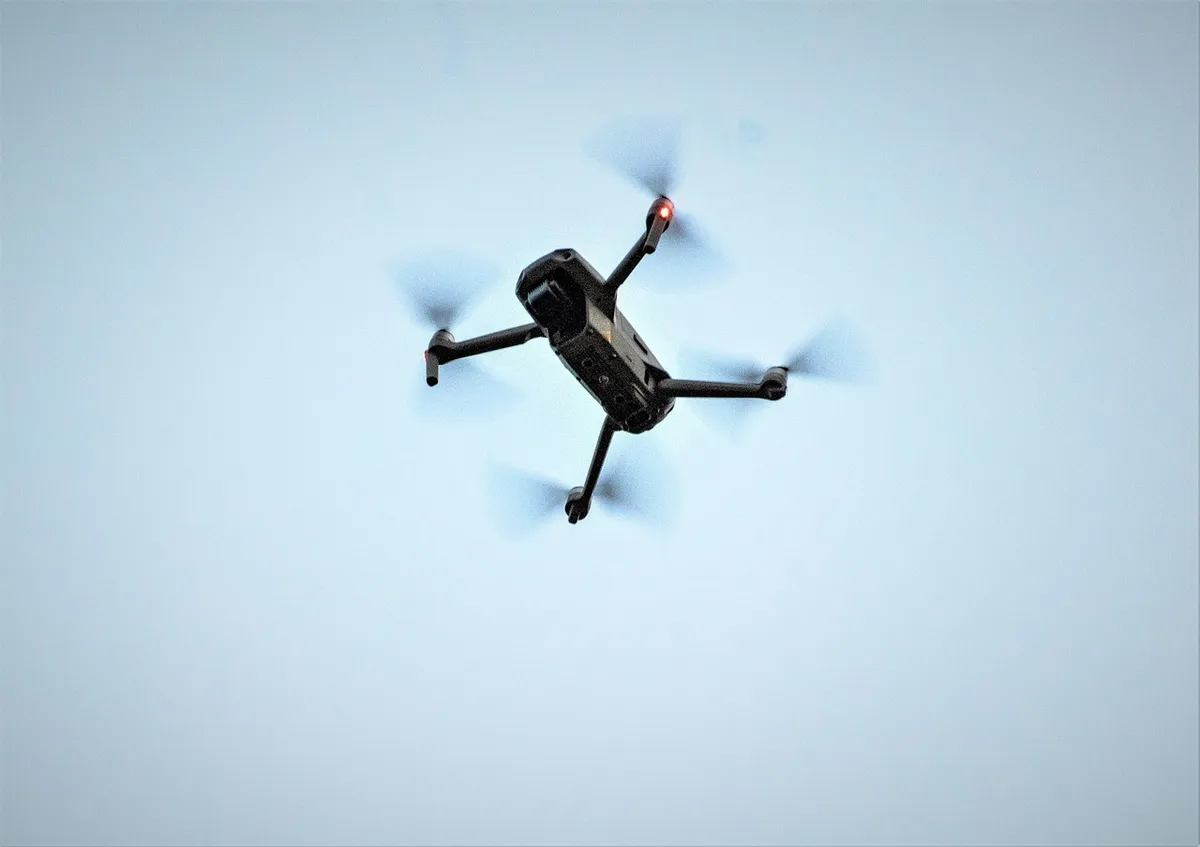
An AI-based review involves a systematic approach to evaluating how much the machine has altered the reality of the shot. To maintain professional standards, creators often follow a specific workflow to ensure the output remains grounded.
- Align the original source footage with the generated output to ensure temporal consistency. 2. Isolate specific visual elements to check for texture distortion or unnatural motion. 3. Verify that the AI-generated lighting matches the ambient environment of the original clip.
I remember looking at a sequence where the shadows seemed too sharp, and it was only through a direct comparison that I realized the AI had misinterpreted the depth of the scene.
This realization underscores why a video before after visualization is more than just a novelty; it is a quality control requirement.
- Compare the original source material with the AI-processed output.
- Identify specific artifacts or inconsistencies in the generated frames.
- Adjust the model parameters to refine the visual quality.
What are the common AI video production cases?
Late at night in the office, my eyes burned as I watched the seamless transition of the landscape video during the review.
A digital artist works on a tablet, refining a scene where a static photograph is being transformed into a moving landscape. The process requires constant checking to ensure the movement feels organic rather than robotic.
Exploring various AI video production cases reveals that the technology is used for everything from upscaling low-resolution footage to creating entirely new environments. In restoration projects, the goal is to enhance clarity without losing the historical character of the original film.
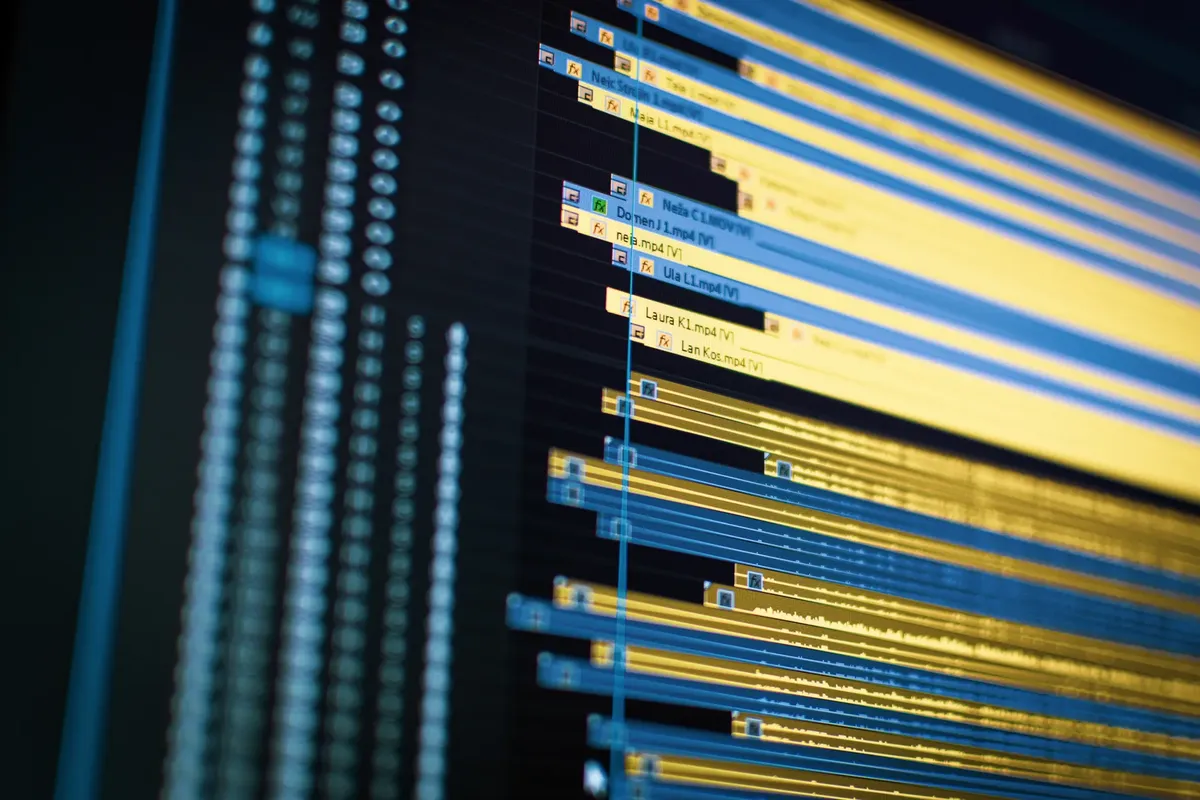
In creative advertising, the goal might be to expand a shot's boundaries through generative outpainting.
When analyzing before after AI results, professionals look for the balance between enhancement and authenticity. In some cases, the goal is to make the footage look better than reality, while in others, it is to preserve the delicate nuances of a captured moment.
The ability to switch between these two modes is what makes the technology so versatile for different industries.
Common applications include upscaling low-resolution footage, style transfer, and automated color grading.
How to conduct an AI visual check?
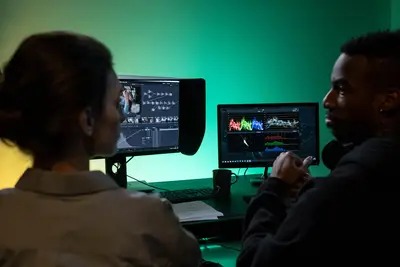
A quality assurance specialist uses a split-screen interface to scan a series of generated frames, looking for flickering or sudden shifts in detail. Every movement is scrutinized to ensure the digital transformation is stable.
An AI visual check is the final gatekeeper before a video is cleared for broadcast or distribution. It involves checking for "jitter" or "ghosting" that occurs when the AI attempts to interpolate frames.
This check ensures that the temporal stability of the video remains intact throughout the entire duration of the clip.
| Feature | Original Footage | AI Enhanced Output |
|---|---|---|
| Resolution | Standard Definition | High Definition |
| Texture | Natural/Raw | Synthetic/Polished |
The table above illustrates the typical shift seen during an enhancement process. Using these metrics, a producer can decide if the level of change is acceptable for the specific project requirements.
In this sequence, the second step is the most time-consuming.
What are the limitations of these techniques?
A developer runs a script that compares two video files, noting where the algorithm failed to account for a moving object in the foreground. The discrepancy is clear, but the software cannot fix the logic error on its own.
A limitation of these methods is that they are entirely dependent on the quality and accuracy of the input data. If the original footage contains errors that the AI interprets as intentional features, the comparison might suggest the output is correct when it is actually flawed.
Therefore, while these tools are powerful, they cannot replace the critical eye of a human professional who understands the context of the scene.
Current techniques may struggle with temporal consistency and can sometimes introduce unnatural motion artifacts.
The same subject is also called AI based review.
Related





Comments 0