AI video screen recording tips for smooth visual output
"The digital canvas is no longer static; it moves through the lens of captured motion and intelligent processing."
AI video screen recording enables creators to capture high-quality visual data, facilitating seamless editing and automated content generation. This process involves using intelligent software to capture screen activity, integrate voiceovers, and refine visual elements through a streamlined workflow.
Key takeaways include understanding the capture process, applying efficient production workflows, and recognizing the technical limitations of current software.
How to manage AI video screen recording?
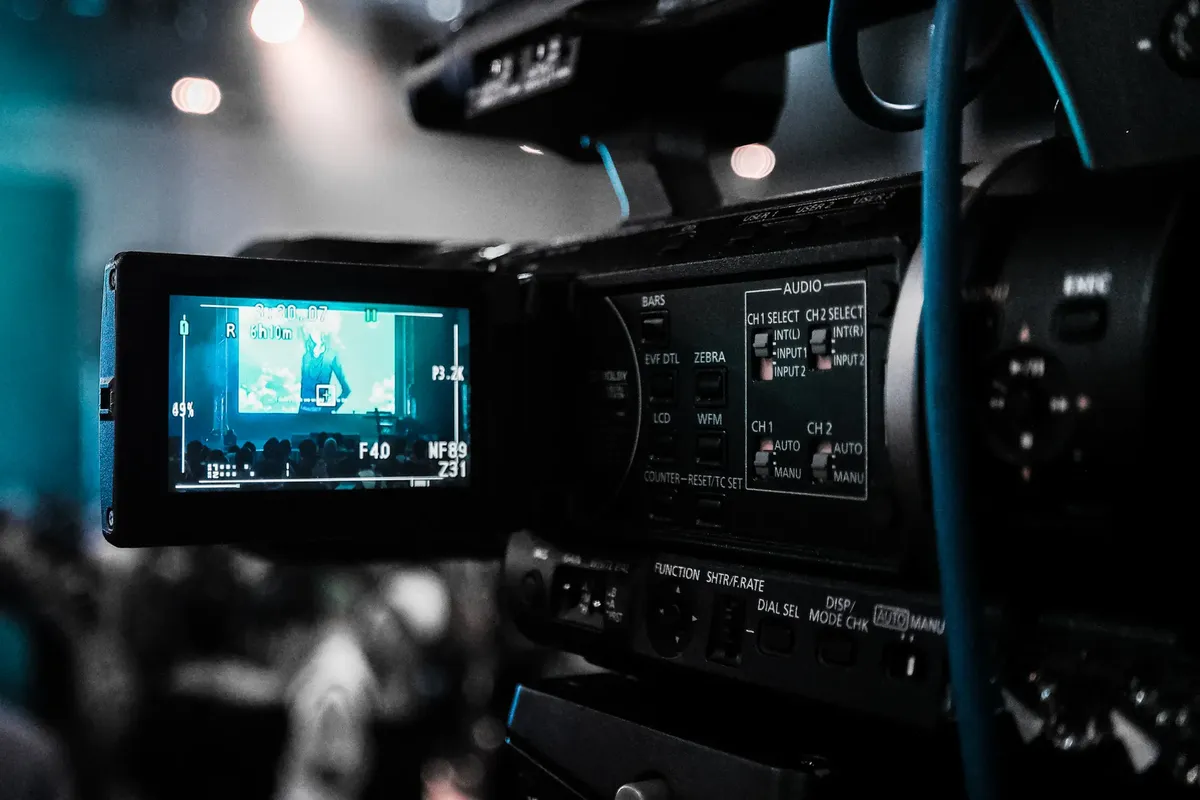
A cursor hovers over a bright red record button on a sleek interface. The screen begins to flicker as the software captures a high-definition window, preparing the footage for immediate processing.
Effective AI video screen recording requires a clear understanding of how to balance high-resolution capture with system performance. When you start a session, the software must manage the data stream to ensure the visual output remains crisp while the AI processes the movement in real-time.
This ensures that the captured motion is smooth enough for subsequent editing phases.
One common method is utilizing an AI-based screen capture to automate the selection of specific windows or regions. This prevents the accidental recording of unnecessary desktop clutter, keeping the focus entirely on the intended subject.
By setting specific parameters, the software can automatically adjust bitrates to maintain quality during high-motion sequences.
The integration of AI video recording tips helps users navigate the complexities of lighting and resolution settings before the recording starts. For instance, adjusting the frame rate to match the motion intensity can prevent stuttering in the final file.
A well-planned session ensures that the captured data is usable for professional-grade projects.
How do I build an AI video production workflow?
During the quiet midnight hour, I drag the glowing AI video files into a folder at my desk while feeling the cool breeze from the window. I sit at my mahogany desk during the golden hour, watching the screen flicker as I organize the AI video files into a structured sequence.
A hand reaches for a coffee mug as a laptop screen displays a progress bar, indicating the start of a data transfer. The room is quiet, save for the soft hum of the cooling fan.
Implementing a professional AI video production workflow requires a structured approach to ensure consistency between the captured footage and the final edit.
- Define the capture parameters by selecting the appropriate resolution and frame rate to match the intended output. 2. Execute the recording session using a stable connection to prevent data loss or frame drops during the capture. 3. Import the captured files into an editing environment to apply intelligent filters and motion smoothing.
I remember sitting at my desk, adjusting the capture window to ensure every detail was visible before hitting the start button. Using screen recording AI makes it much easier to manage these technical variables without manual tweaking at every second.
Effective AI video making capture relies on the ability to bridge the gap between raw screen data and polished visual storytelling. By following these steps, creators can transform simple screen captures into dynamic video assets.
Which capture method is right for me?
A split-screen monitor shows two different video qualities side-by-side, one slightly blurrier than the other. The technician adjusts the brightness to see the difference in detail.
When deciding on a method, users often weigh the benefits of full-screen capture against window-specific capture. The following table compares the two primary approaches used in modern production.
| Feature | Full-Screen Capture | Window-Specific Capture |
|---|---|---|
| Scope | Captures entire desktop | Captures single application |
| Complexity | High risk of privacy leaks | Controlled environment |
The best screen recording settings depend entirely on whether the user needs to show the entire desktop environment or a single, focused task. Full-screen capture is useful for tutorials where navigation is key, while window capture is better for isolated demonstrations.
Choosing the right method prevents the need for extensive masking during the editing phase.
Applying the technique to existing projects
A designer opens an old project folder, dragging a newly recorded clip into an existing timeline. The software instantly recognizes the file format and aligns the timestamps.
Applying these techniques to existing projects allows for the seamless integration of new footage into established visual narratives. You can take a static presentation and breathe life into it by recording interactive elements.
- Import the recorded clip into your existing timeline. 2. Match the color grading of the new footage to the previous scenes. 3. Apply AI-driven motion tracking to align the screen capture with the video's movement.
A final check involves reviewing the transition points where the new footage meets the old to ensure there are no jarring jumps in resolution or frame rate.
- How to manage AI video screen recording?
- How do I build an AI video production workflow?
- Which capture method is right for me?
Related
- AI video screen recording tips best ways achieve 100%
- AI video before after: Tips for visual storytelling guide
What are the conditions for successful AI video integration?
Successful AI video integration depends upon managing the interplay between the captured data and the editing environment. The digital canvas benefits greatly when the initial capture parameters align precisely with the final desired output specifications. If the frame rate is mismatched, the resulting footage will exhibit noticeable inconsistencies during post-production.
Effective management of the data stream during recording is a critical condition for maintaining visual integrity. The software must handle the influx of information while simultaneously allowing the AI to interpret the motion within the captured scene.
This real-time processing capability directly impacts the smoothness of the final visual presentation.
When comparing different capture methods, the complexity associated with full-screen capture introduces a higher risk profile. This risk relates to the potential exposure of private information present on the entire desktop environment.
Window-specific capture mitigates this concern by confining the recording scope to a discrete application.
How does intelligent processing affect the digital canvas?
Intelligent processing transforms raw screen activity into refined visual elements within the digital canvas. This transformation allows creators to move beyond simple documentation toward dynamic content generation. The software applies algorithms to the captured motion, enhancing its usability for various projects.
By integrating AI, the system can automate tedious tasks such as selecting relevant screen regions. This automation preserves the creator's focus on the narrative rather than the technical minutiae of the capture process.
The AI assists in refining the visual elements, making the final product more polished.
When applying techniques to existing projects, the AI-driven motion tracking serves to synchronize the new screen capture with the established video movement. This alignment ensures that the newly introduced footage blends naturally into the pre-existing visual narrative.
A careful review of transition points confirms that the visual continuity remains unbroken across the edits.




Comments 0