AI video before after comparison: How to manage color data
"The difference between a raw shot and a finished masterpiece is often found in the seamless transition between the original and the enhanced version."
Effective AI video before after comparison requires a meticulous approach to framing and timing to ensure the viewer perceives the true quality of the transformation. This guide explores how to align visual elements and use specific editing techniques to demonstrate technical improvements.
Key takeaways include maintaining consistent framing, managing color data transitions, and selecting the right aspect ratios for modern viewing.
How to set the stage for an AI video before after comparison?
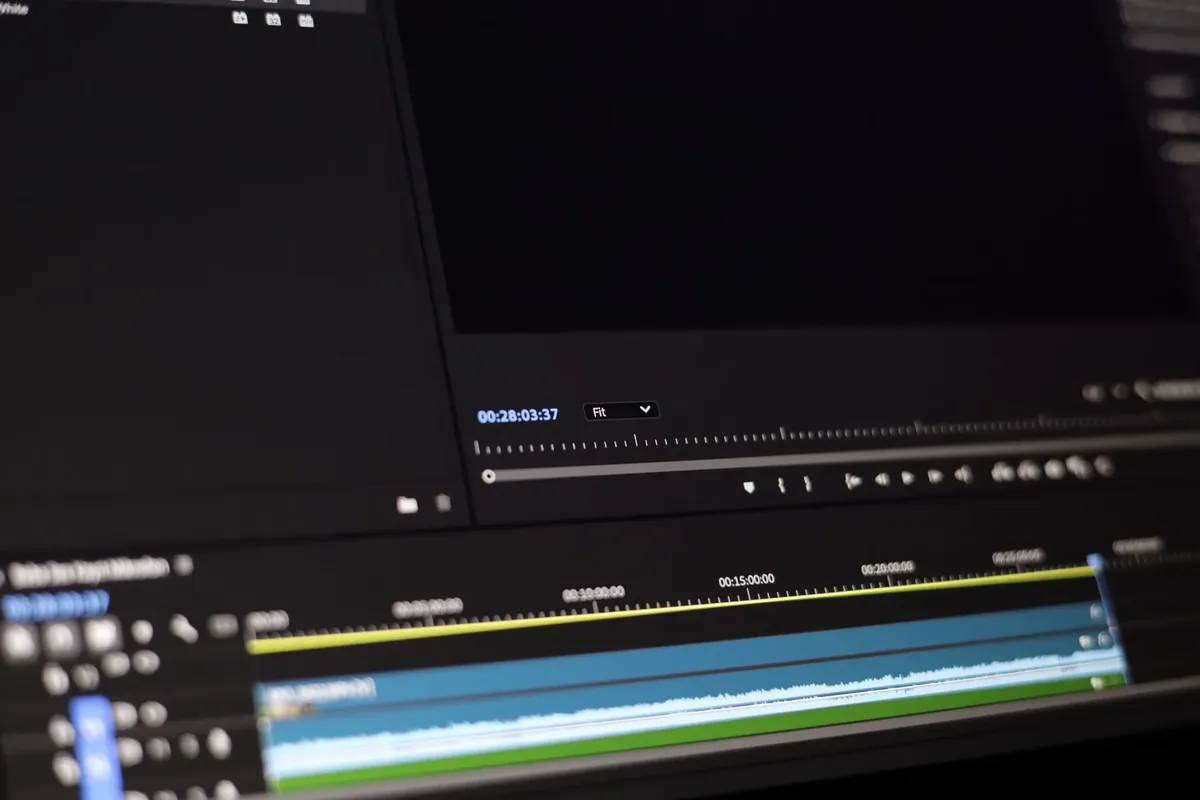
At dawn in the dim studio, I steady my hands to align the original footage with the enhanced video on the screen.
The artist holds a digital stylus, hovering over a timeline where two vastly different versions of a single scene sit side by side. Setting the right stage involves ensuring that the subject remains in the exact same position in both the original and the AI-enhanced clip.
Effective AI video comparison shots rely on identical camera positioning to prevent "jump cuts" when switching between versions. If the subject shifts even slightly, the viewer sees a glitch rather than a quality improvement.
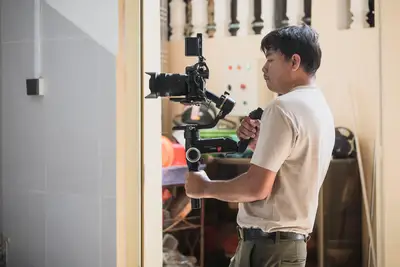
You must lock the focal length and tripod position to ensure the only variable changing is the AI processing.
A stable frame allows the eye to focus on texture and lighting changes rather than movement. Maintaining this consistency is the foundation of a professional visual analysis of AI video.
- Establish a consistent lighting environment to ensure the baseline remains stable.
- Lock your camera settings to prevent unintended shifts in exposure or focus.
- Use a static tripod to maintain identical framing between the original and the AI-enhanced footage.
Why does aspect ratio matter in AI video comparison shots?
A filmmaker adjusts the crop on a monitor, switching between a wide cinematic view and a tall mobile format. Understanding how the frame shape affects the viewer's perception of the transition is vital for different platforms.
The choice of frame affects how much detail is visible during a transition. For instance, the Academy ratio of a full 35mm film frame with its sound track is 1.375:1. Using historical ratios can provide a sense of cinematic scale, but modern workflows often require different shapes.
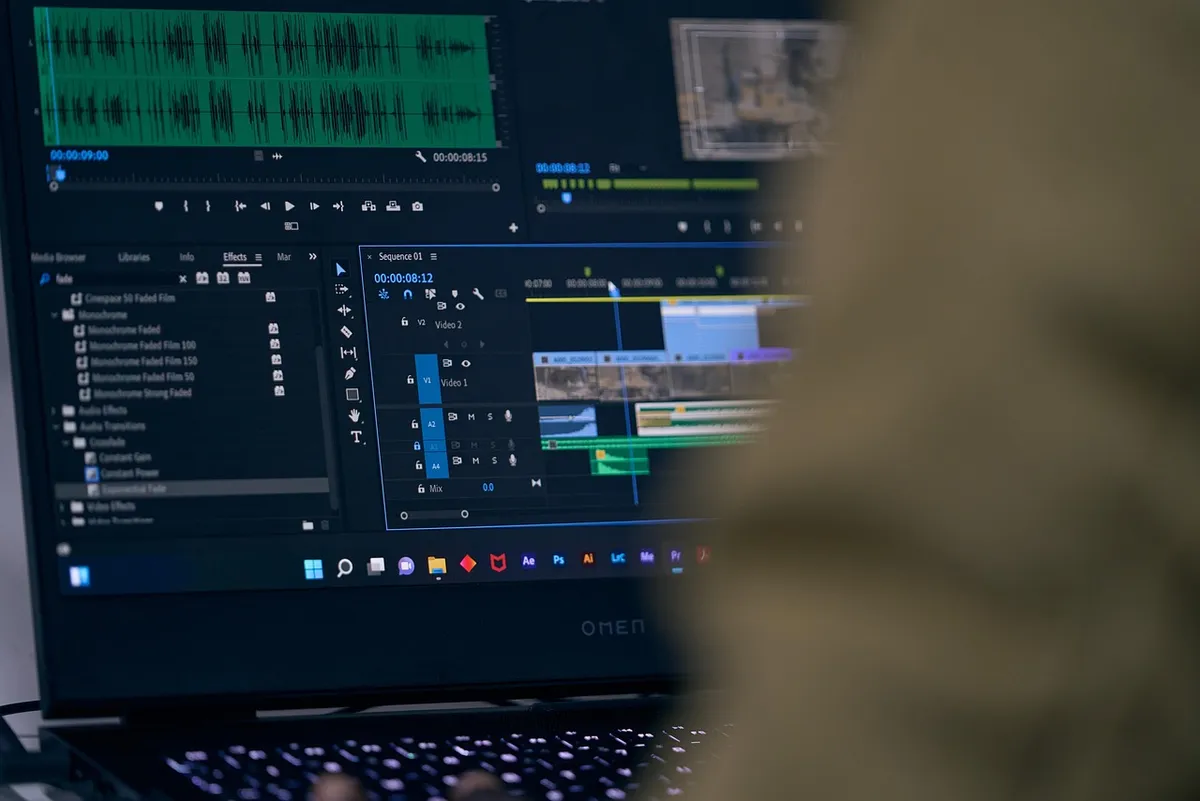
Placing a high-resolution AI render into a standard frame requires careful composition. Choosing an appropriate ratio ensures that the "before" and "after" elements occupy the same visual weight.
In this sequence, the second point is the most critical.
How to manage color data in a before after AI video edit?
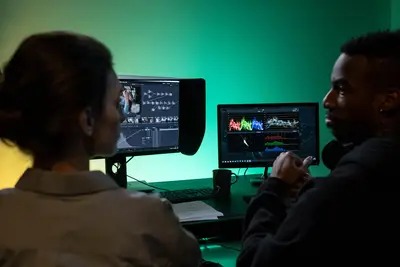
An editor looks at a color waveform, noticing how much data is lost when compressing a file for quick comparison. Managing color is one of the most significant challenges when demonstrating AI-driven color grading or upscaling.
When demonstrating color improvements, you must be aware of how data reduction affects the image. For example, this results in a 50% reduction in chrominance data using 2-pixel blocks (4:2:2) or 75% using 4-pixel blocks (4:2:0).
If the "before" clip has significantly less data than the "after" clip, the comparison might look artificial rather than an improvement in quality.
To make a fair comparison, you should match the color space of both clips. This prevents the viewer from attributing color depth to the AI when it is actually just a difference in file encoding.
Ensure you use a color management system that preserves the original metadata to prevent color shifts during the transition.
What are the best AI video editing tricks for seamless transitions?
The editor drags a slider across the screen, watching the grainy footage transform into a sharp, clean image in realbulous real-time. A smooth transition is the key to a persuasive demonstration.
Using a "wipe" or a "dissolve" can work, but a side-by-side split screen is often more effective for technical analysis. For a more immersive experience, a slider-style transition allows the viewer to see the exact boundary of the AI enhancement.
A well-timed transition should occur at a moment of high visual interest. This ensures the viewer notices the specific areas where the AI has added detail or cleaned up noise.
Utilize motion tracking to align the AI-generated elements perfectly with the original movement.
How do you handle mobile viewing in an AI video production workflow?
A creator holds a smartphone, scrolling through a vertical video that fills the entire screen. As viewing habits change, the way we present comparisons must also evolve to fit the screen.
Vertical video has seen significant growth in popularity.
Mary Meeker, a partner at Siliconless Valley venture capital firm Kleiner Perkins Caufield & Byers, highlighted the growth of vertical-video viewing in her 2015 Internet Trends Report, noting that it had grown from 5% of viewing in 2010 to 29% in 2015.
When creating content for these platforms, the composition must be centered to allow for effective before-and-after overlays.
You cannot simply crop a horizontal comparison into a vertical frame without losing the subject. You must re-compose the shots specifically for the vertical format to maintain a clear comparison.
Always export a vertical version of your comparison to ensure the details remain visible on smaller screens.
How to verify the quality of the final comparison?
The technician sits in a dark room, squinting at a high-definition monitor to check for artifacts. Final verification ensures the comparison is honest and visually striking.
- Align the subjects perfectly to ensure no movement occurs during the switch. 2. Match the exposure levels so the brightness does not distract from the texture changes. 3. Check for pixel-level consistency to ensure the "after" version doesn't introduce unwanted artifacts.
I remember checking a side-by-side comparison where the lighting was slightly off, making the AI version look unnaturally bright. I adjusted the levels to ensure the comparison was purely about the detail enhancement.
The limitation of these techniques is that they cannot account for subjective viewer preferences, as a high-contrast "after" shot may look better but less realistic.
Perform a side-by-side playback at full resolution to check for artifacts or temporal inconsistencies.
The same subject is also called AI video framing techniques.
The same subject is also called Video comparison editing guide.
Related






Comments 0