AI review video tips: Guide to workflow optimization
"The shift toward automated content creation requires a blend of technical precision and creative strategy to maintain engagement."
Effective AI review video tips involve balancing automated generation with authentic storytelling to ensure viewers trust the content. This guide covers workflow optimization, format selection, and practical application to help creators build high-quality review channels.
How can creators apply AI review video tips to professional workflows?

A creator sits at a desk, adjusting a microphone while a screen displays a generative video interface. They input specific parameters to match the aesthetic of a product review.
To build a professional workflow, creators should focus on structured prompting and consistent visual identity. Integrating these elements allows for a seamless transition from raw data to a polished review.
One effective method is to establish a repeatable template for product demonstrations. This ensures that while the AI handles the heavy lifting of visual rendering, the core message remains consistent.
A successful AI review video guide involves setting clear constraints for the AI to prevent visual hallucinations or tonal shifts. Creators must supervise the output to ensure the generated footage matches the actual product being discussed.
- Integrate AI tools into existing editing software to streamline the review process.
- Establish standardized prompts to ensure consistent output across different video projects.
- Set up a feedback loop where AI suggestions are reviewed by a human editor before finalization.
What are the best ways to make AI review video content engaging?
In the dim glow of the studio at midnight, my eyes squint at the screen as I review the vibrant, pulsing transitions to ensure they grab attention.
A hand moves a mouse across a pad, selecting a vertical video template on a high-resolution monitor. The creator adjusts the framing to ensure the subject stays centered.
Engagement often depends on the format and the speed of delivery. High-quality content requires a mix of visual variety and concise messaging to keep the audience's attention.
Consider the historical shift in viewing habits, where vertical-video viewing grew from 5% in 2010 to 29% in 2015, according to the 2015 Internet Trends Report. This trend suggests that mobile-friendly, vertical formats are essential for modern social media reviews.
Using these vertical formats can help creators reach a wider audience on mobile platforms. Adapting the aspect ratio to the viewer's device is a key part of the process.
In this sequence, the second step is the most time-consuming.
How to use AI based review tips for technical accuracy?
A technician examines a screen showing color data and pixel blocks, comparing the generated image to a physical reference. They note the differences in color accuracy.
Technical accuracy is vital when reviewing hardware or software. The AI must be prompted with precise technical specifications to avoid spreading misinformation.
For instance, understanding data compression can assist in managing file sizes during the creation process. Using 2-pixel blocks (4:2:2) results in a 50% reduction in chrominance data, while 4-pixel blocks (4:2:0) result in a 75% reduction.
Managing these technical details ensures that the final video maintains a high level of visual fidelity. Reviewers must verify that the AI-generated visuals do not distort the actual product features.
What are some practical AI review examples for different niches?
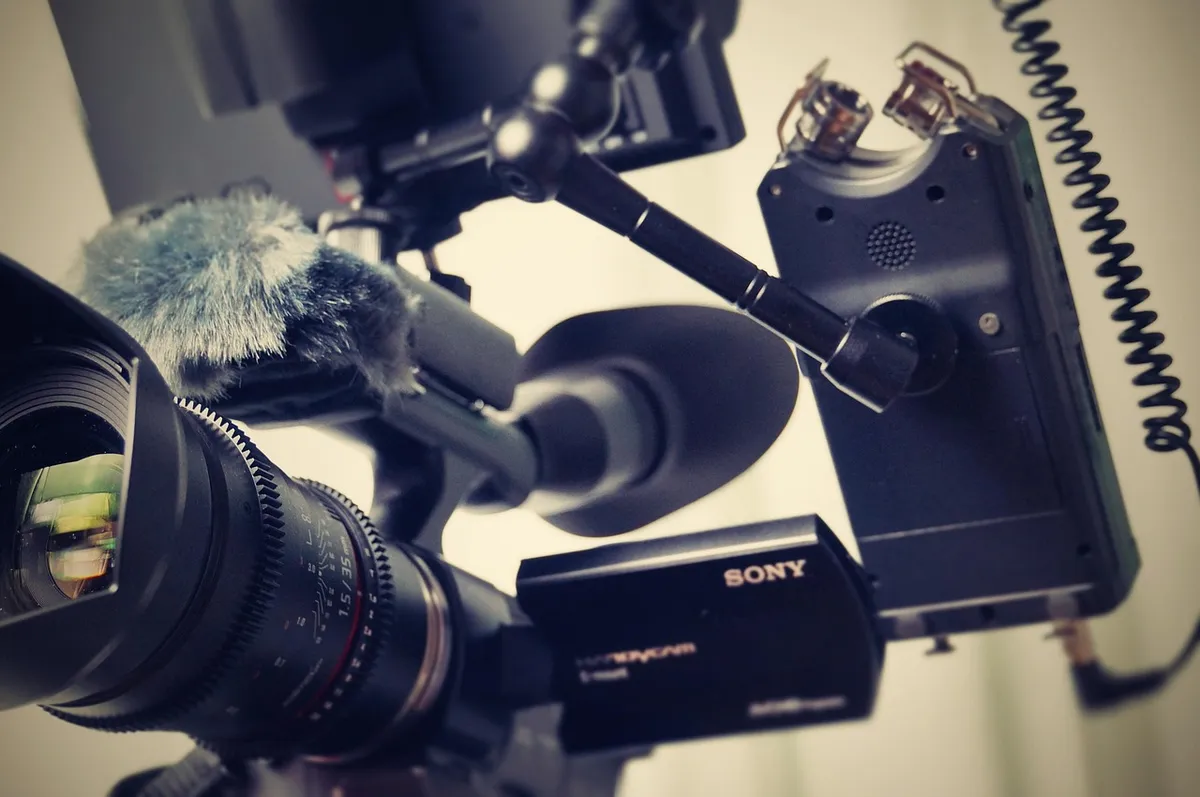
A creator reviews a new camera lens, comparing the digital preview on a tablet to the physical lens in hand. They take notes on the lighting and clarity.
Applying these techniques to different niches requires adjusting the tone and visual style. A tech reviewer might focus on sharp, clean lines, while a lifestyle reviewer might prefer warmer, softer aesthetics.
In the technology category on YouTube, some channels have reached elite status through consistent quality. In 2014, Tubefilter named Linus Tech Tips as being within the "top 1% of Google's preferred advertising channels" on YouTube for the technology category.
This level of success shows that following established industry standards can lead to significant growth. The goal is to mimic that level of professionalism through careful AI management.
How do you manage the workflow for creating AI product reviews?
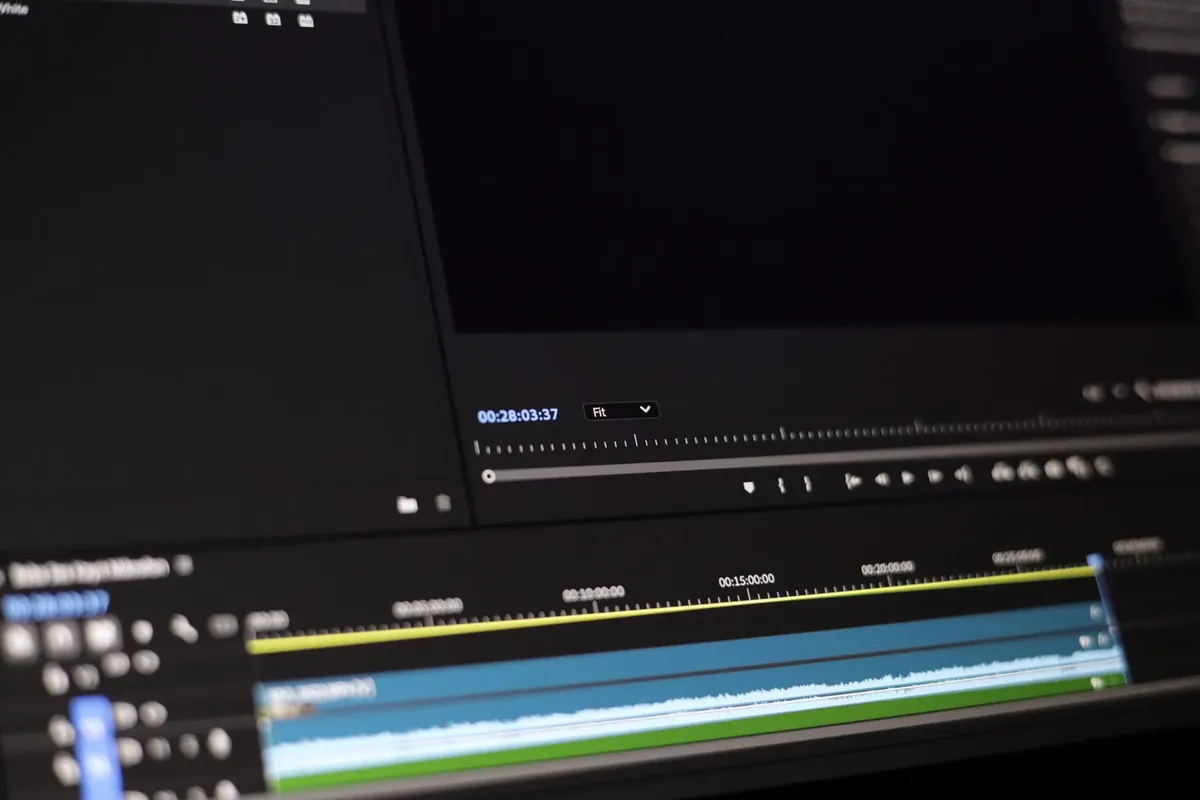
An editor drags a video clip into a timeline, carefully aligning the audio with the visual transitions. They check the aspect ratio of the frame against the target platform.
Managing the creation of reviews requires a disciplined three-step process.
- Define the script and technical parameters to feed into the AI generator. 2. Generate the visual assets and review them for accuracy against the physical product. 3. Perform a final edit to sync the AI-generated voiceover with the visual pacing.
I once spent an entire afternoon adjusting a single scene to ensure the lighting matched the product's real-world appearance. A final check involves watching the full video to ensure the transitions are smooth and the tone remains consistent.
A limitation of this process is that AI cannot physically interact with a product, so manual verification of the visual output against the actual item is always necessary.
The subject here is AI review video tips.
The same subject is also called AI video review guide.
The same subject is also called AI feedback video ideas.
This part also covers Best AI review video workflow.
Related






Comments 0