AI video data compression: How to guide production
Data compression is the cornerstone of modern digital media, ensuring that massive visual files can be moved and processed without overwhelming hardware. In the context of generative tools, AI video data compression allows for the efficient handling of high-resolution assets through smart mathematical modeling. This article explores how these techniques facilitate high-quality output and why managing data density is vital for professional workflows.

Key takeaways: * Compression reduces file sizes while preserving visual integrity for machine learning models. * Efficient workflows rely on balancing bitrate with the specific needs of generative algorithms. * Advanced techniques prevent hardware bottlenecks during intensive rendering tasks.
Why is AI video data compression necessary for production?
A designer sits at a workstation, watching a progress bar crawl as a massive raw video file attempts to load into a processing engine. Without effective AI video data compression, the sheer volume of pixel information would stall the entire creative pipeline.
This technology shrinks files by identifying redundant information, allowing much larger datasets to be managed within limited storage environments.
Efficient video compression for AI ensures that the underlying mathematical structures of a video remain intact for the algorithm to interpret. When a model analyzes motion or texture, it requires clear data, but it does not always need every single bit of raw sensor information.
By stripping away unnecessary data, creators can work with much smoother playback and faster iteration cycles.
The relationship between file size and quality is a constant struggle in digital studios. If the compression is too aggressive, the AI might misinterpret visual artifacts as actual content, leading to distorted results.
Conversely, if the files are too large, the processing speed drops to unusable levels. Finding the right balance is the primary goal of modern data compression in AI.
High-resolution video files consume massive amounts of storage and bandwidth, making efficient compression essential for maintaining speed without sacrificing visual fidelity.
How does AI video production tech optimize the workflow?
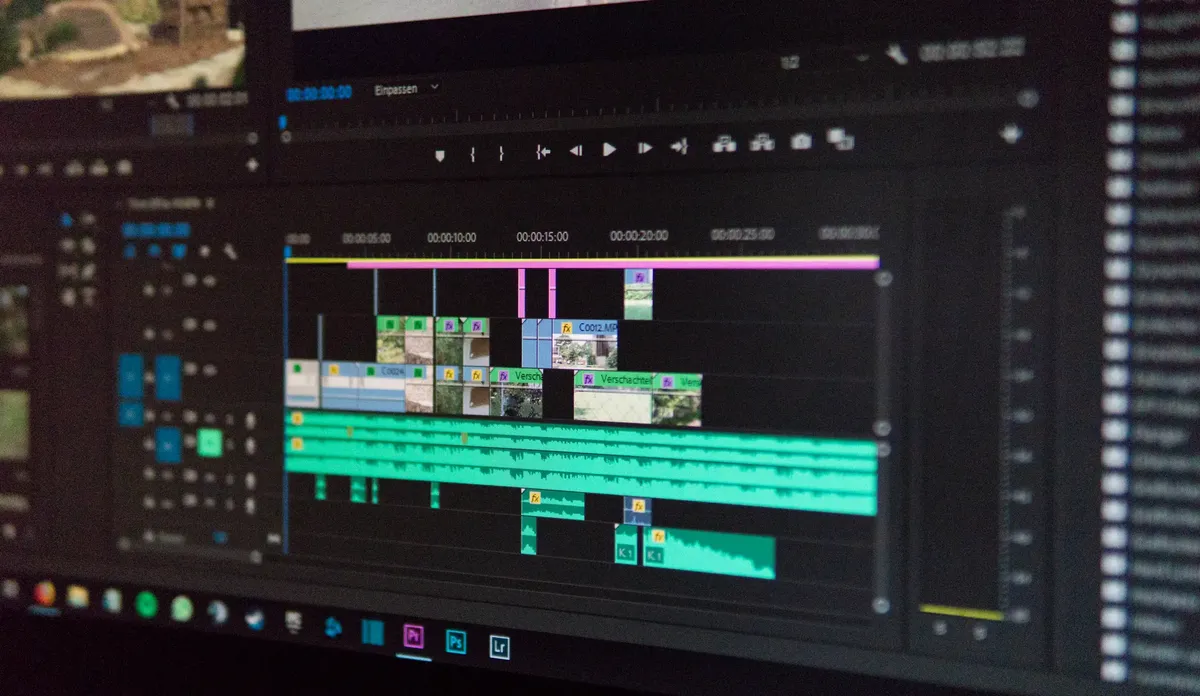
In the dimly lit office, I tap the mouse as the smooth video preview glides across the screen.
A producer clicks through a folder of high-resolution clips, noting how quickly the preview window responds to each movement. Utilizing specialized AI video production tech allows teams to handle complex visual assets without requiring massive server farms for every minor change.
This efficiency turns what used to be a multi-hour task into a streamlined, real-time process.
When managing large-scale projects, optimizing AI video workflow involves selecting the right codecs and bitrates for different stages of production.
High-bitrate files might be used during the initial generation phase to preserve fine detail, while lighter compression is applied during the review stage. This tiered approach keeps the project moving without constant interruptions from loading screens.
The ability to move files between different departments is also critical. A lightweight version of a scene can be sent to a remote collaborator, who can then perform light edits before sending it back to the main server.
This fluid movement of data is only possible because of sophisticated compression standards.
By automating repetitive encoding tasks, AI allows creators to focus more on creative direction rather than technical file management.
What are the steps for managing data compression in AI?
A technician adjusts the settings on a control panel, carefully selecting the parameters for an upcoming batch render. To ensure a smooth transition from raw footage to a finished product, a systematic approach to data management is required.
- Analyze the source material to determine the necessary level of detail for the specific AI model being used. 2. Apply lossy or lossless compression settings based on whether the goal is storage or high-fidelity retraining. 3. Perform a final check to ensure that compression artifacts do not interfere with the visual accuracy of the generated content.
I remember sitting in a dark editing suite, carefully adjusting the bitrate of a heavy file to see if I could maintain the texture of a digital character's skin.
It taught me that compression is not just about making things smaller, but about deciding what information is truly essential for the viewer.
Effective data compression for AI models requires a deep understanding of how algorithms perceive pixels. If the compression ruins the edges of an object, the AI might fail to track movement correctly.
Therefore, the compression process must be tuned to the specific requirements of the neural network.
- Analyze the source footage to determine the optimal bitrate.
- Apply AI-driven encoding algorithms to reduce file size.
- Verify visual integrity through automated quality checks.
How can we achieve an efficient AI video flow?
The camera pans across a studio where multiple workstations are running simultaneously, all synchronized through a central network. Achieving an efficient AI video flow depends on the seamless integration of compression tools within the production pipeline.
When data is handled correctly, the transition from generation to final export becomes almost invisible.
Improving video processing speed is a direct result of using smart compression to reduce the computational load on GPUs. When the data is optimized, the hardware can focus its power on the actual generation and rendering tasks rather than just moving heavy files around.
This maximizes the output per hour and allows for more creative experimentation.
| Feature | Raw Video Data | Compressed AI Video |
|---|---|---|
| Storage Requirement | Extremely High | Significantly Reduced |
| Processing Speed | Slow | Fast |
The scale of modern video production means that data management is no longer an afterthought. It is a foundational requirement that dictates how much content a studio can produce in a single day.
In this sequence, the second step is the most time-consuming.
Related
- Real time rendering for AI video: Limits of 100% system load
- AI video editing efficiency: 20x faster inference guide
What are the inherent risks of aggressive data compression?
Aggressive data compression introduces visual artifacts because the encoding process discards information deemed nonessential by the algorithm. If the compression is too severe, the AI might perceive these artifacts as genuine features within the scene. This misinterpretation can lead to noticeable distortions in the final rendered output.
This risk highlights a critical condition: the tolerance of the generative model must align with the degree of data compression applied. Balancing this trade-off is essential for maintaining visual integrity during the entire pipeline.
When data compression is performed, the resulting file size reduction must not compromise the structural data that the neural network relies upon for accurate feature extraction. This careful management of data is what separates a functional workflow from a flawed one.
Over-compression can lead to significant artifacts, loss of fine detail, and temporal inconsistencies that degrade the professional quality of the video.







Comments 0