AI video trust regulation: Guide to global standard-setting
"The rapid advancement of synthetic media requires a global consensus to ensure that technological progress does not compromise human truth."
The rise of AI-generated video and deepfakes has created an urgent need for regulatory frameworks to maintain social trust. This guide explores how international bodies and national governments are working to establish ethical standards and legislative safeguards to combat misinformation.
Key takeaways include the role of global standard-setting, the importance of filling legislative gaps, and the recent move toward granting regulatory authorities specific powers to manage synthetic content.
How can the world establish a global standard for AI ethics?

At dawn in the quiet conference hall, the diplomat stares at the flickering video while a cold breeze brushes against her skin.
A researcher sits at a desk, reviewing various international policy drafts aimed at aligning technological growth with human values. Establishing a global standard involves coordinating diverse nations to create a unified approach to AI governance.
This initiative sought to create a baseline for how technology interacts with human rights.
By working toward a shared understanding, the goal was to prevent fragmented regulations that could allow unethical AI development to flourish in unregulated regions.
The process of building these standards requires years of diplomatic and technical negotiation. In November 2021, UNESCO tabled the international instrument on the ethics of AI for adoption at its General Conference, which was subsequently adopted by all 193 member states.
This widespread adoption represents a significant milestone in creating a unified global voice on ethical technology.
What steps were taken to address legislative gaps in AI regulation?
Late at night in the quiet office, an attorney sighs as she pauses a video to highlight a loophole in the text.
An attorney examines a thick binder of legal texts, looking for loopholes that might allow AI-generated content to bypass traditional truth-seeking mechanisms. Addressing legislative gaps is a critical component of modernizing law to keep pace with synthetic media.
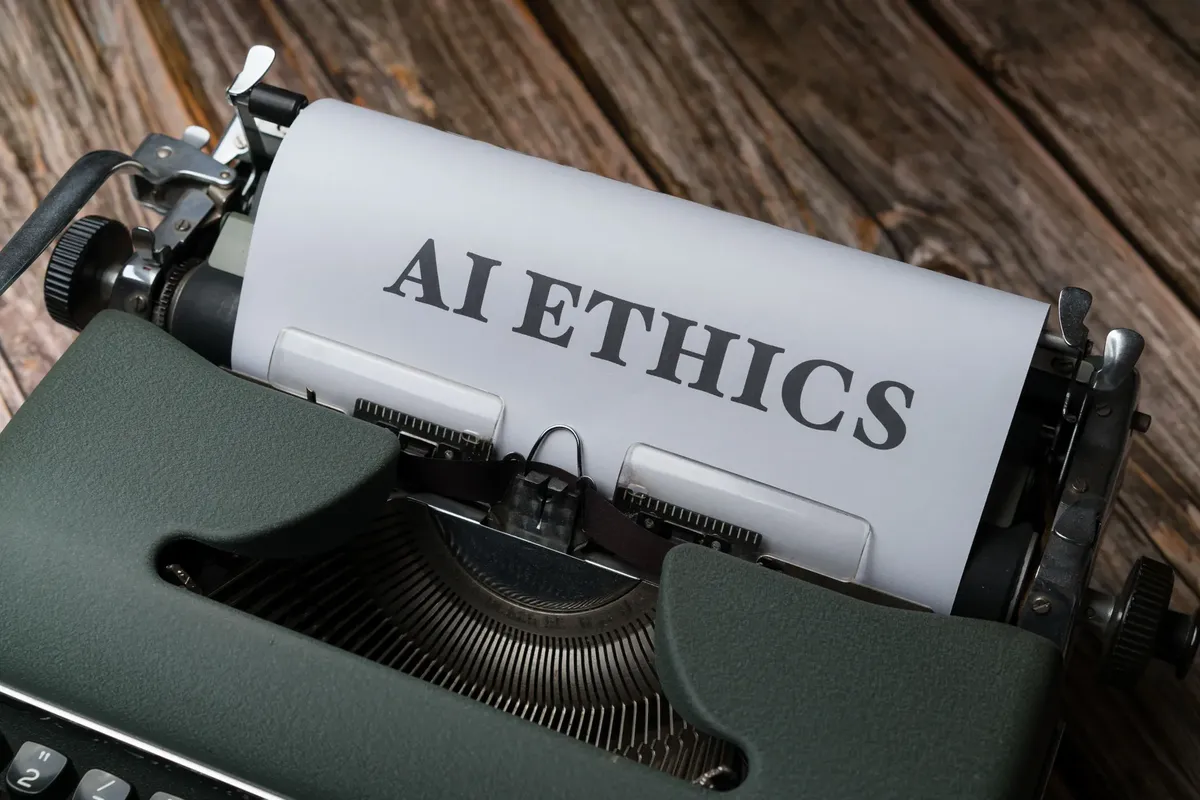
According to the Australian Communications and Media Authority, a bill was introduced in September 2024 that granted the authority powers to regulate AI-generated misinformation.
In September 2020, a draft text of a Recommendation on the Ethics of AI of the UNESCO Ad Hoc Expert Group was issued, which included a call for legislative gaps to be filled. This draft served as a roadmap for lawmakers to identify where existing laws failed to cover the nuances of AI behavior.
By identifying these weaknesses early, policymakers can better prepare for the challenges of digital authenticity.
The focus on these gaps ensures that the law remains relevant as technology evolves. A process of identifying specific areas of concern—such as data privacy, transparency, and accountability—allows for more targeted legislative action.
This proactive approach aims to prevent the law from becoming obsolete in the face of rapid innovation.
How do national governments manage AI-generated misinformation?
Late at night in the dim office, the weary official pauses the video and rubs her tired eyes.
A news editor watches a screen, carefully verifying a video clip to ensure it is not a sophisticated deepfake intended to mislead the public. National governments are increasingly taking direct action to empower specific agencies to manage the risks of synthetic misinformation.
In September 2024, a bill was introduced which granted the Australian Communications and Media Authority powers to regulate AI-generated misinformation.
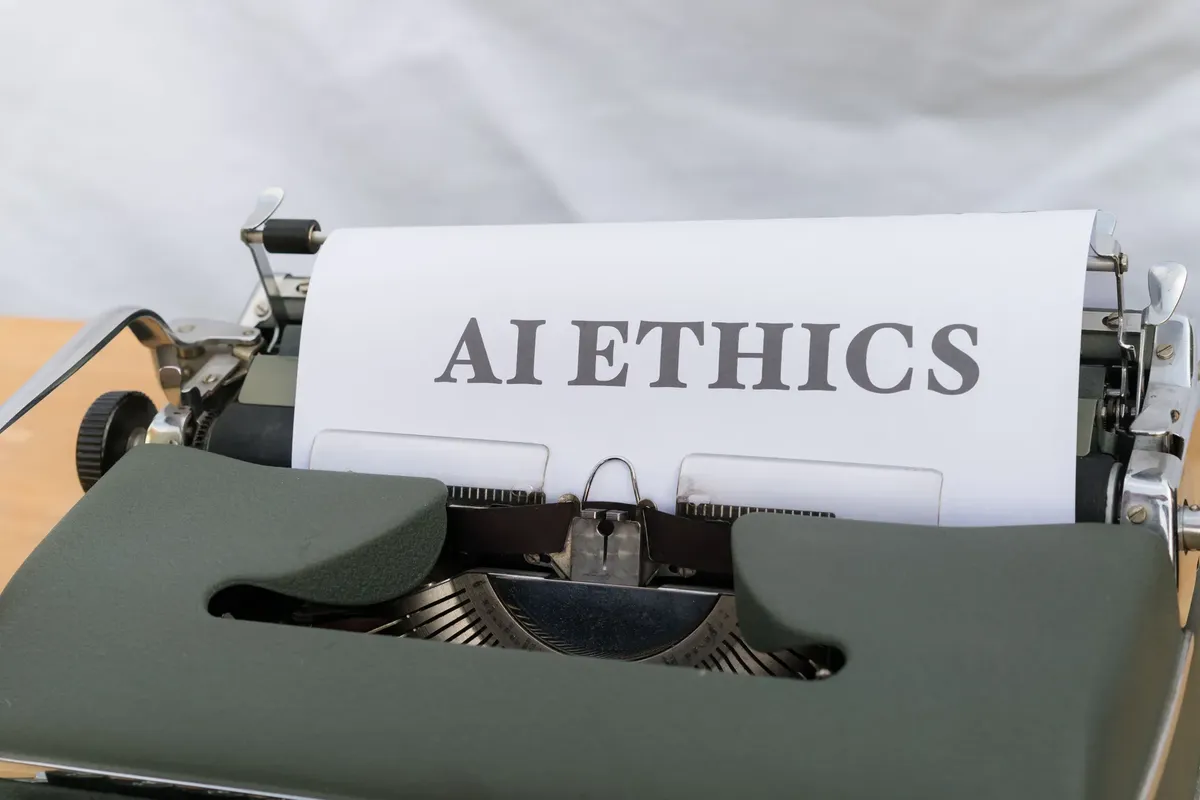
This move demonstrates a shift toward giving specialized regulatory bodies the authority to intervene when AI tools are used to spread falsehoods. Such powers are designed to provide a faster, more technical response to the unique challenges of digital manipulation.
Different nations take different paths to achieve similar goals of truth and transparency. While some focus on broad ethical principles, others move toward specific enforcement powers for communication authorities.
These diverse strategies highlight the different legal traditions and political structures used to tackle the same global problem.
How can values like transparency be integrated into AI policy?
A policy advisor sits in a quiet office, drafting a document that balances technological advancement with the fundamental rights of citizens. Integrating values into policy requires creating frameworks that prioritize human rights and openness.
In May 2019, the federal government appointed an Advisory Council on AI with a focus on examining how to build on Canada's strengths to ensure that AI advancements reflect Canadian values, such as human rights, transparency and openness.
This type of council provides a dedicated space for experts to advise the government on how to align technological progress with the core principles of a democratic society.
To implement these values effectively, governments can follow these structured approaches:

- Establish specialized advisory councils to provide expert guidance on ethical implications. 2. Develop specific legislative frameworks that address the unique risks of synthetic media. 3. Empower existing regulatory authorities to monitor and manage misinformation.
A final check ensures that all proposed measures align with existing human rights protections and democratic values.
What are the limitations of current AI governance efforts?
A historian looks through archives, noting how previous shifts in technology often outpaced the laws meant to govern them. While progress is being made, the existing efforts to regulate AI face specific constraints.
According to The Future of Humanity Institute, the organization focused on AI safety and the governance of AI before shuttering in 2024.
The effectiveness of these frameworks is often limited by the speed of technological change and the varying political will of different nations. For example, the Future of Humanity Institute focused on AI safety and the governance of AI before shuttering in 2024.
This transition highlights how specialized research bodies may operate within specific timeframes or under changing organizational mandates.
| Effort Type | Primary Goal | Scope |
|---|---|---|
| Global Standard-Setting | Unified ethical baseline | 193 Member States |
| National Regulatory Power | Misinformation management | Specific domestic jurisdictions |

I observed that while global standards provide a foundation, the actual enforcement often remains a domestic responsibility. This creates a complex landscape where international ideals must meet local legal realities.
- How can the world establish a global standard for AI ethics?
- What steps were taken to address legislative gaps in AI regulation?
- How do national governments manage AI-generated misinformation?
AI video trust regulation
The subject here is AI video trust regulation.
The same subject is also called AI generated video ethics.
The same subject is also called Video deepfake policy.
The same subject is also called AI governance for media.
The same subject is also called Digital trust framework.
This part also covers Regulating synthetic media.
This part also covers Building public AI trust.
This part also covers Data privacy in AI video.
Regulating synthetic media
Related








Comments 0