Interview question answer ratio guide for engaging interview
"A perfect interview is not a lecture, nor is it a monologue; it is a carefully timed dance between curiosity and insight."
Achieving an engaging interview requires balancing the time spent on questions and the time spent on answers to maintain viewer interest. This guide explores how to manage these proportions to prevent viewer fatigue while ensuring depth.
Key takeaways include understanding the necessity of conversational flow, managing pacing through structured timing, and recognizing the limitations of fixed ratios in unpredictable dialogue.
How to balance interview talk time?
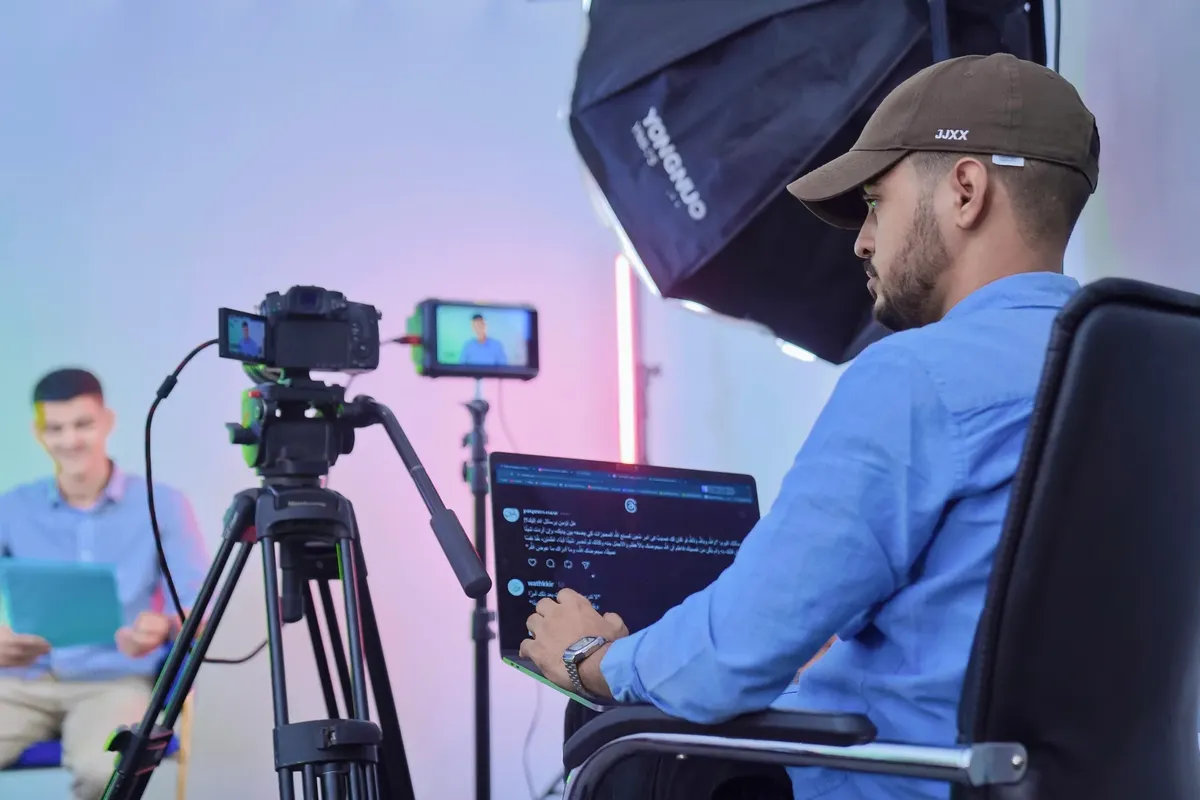
A director sits behind a monitor, watching a guest speak for five minutes straight without a single interruption. This scene represents the danger of losing momentum when one side dominates the conversation.
To prevent this, the interviewer must provide brief, targeted prompts that allow the subject to lead the narrative.
Effective pacing relies on the relationship between the prompt and the response. If the question is too long, it steals the spotlight from the guest's expertise. If the response is excessively long, the viewer might lose the conversational thread.
Finding a balance ensures that the interviewer acts as a guide rather than a competitor in the dialogue.
The goal is to create a natural flow where the question serves as a springboard. By keeping inquiries concise, the interviewer creates space for meaningful substance. This approach keeps the energy high and ensures the subject has enough room to provide thorough, insightful reflections.
- Monitor the ratio of questioner to interviewee to ensure the subject has the floor.
- Use follow-up questions to bridge gaps in the conversation.
- Adjust your own speaking time based on the depth of the subject's responses.
How can I edit to keep viewers engaged?
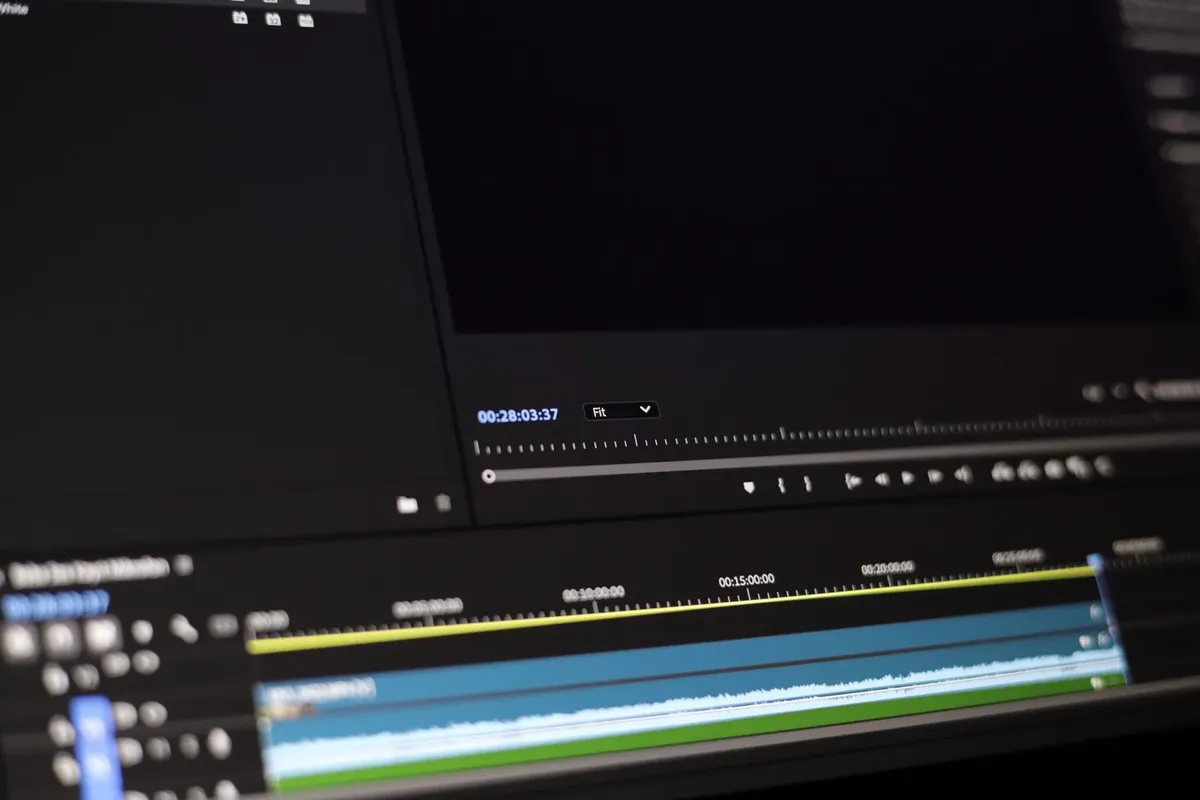
An editor stares at a timeline, cutting a heavy, three-minute monologue into digestible segments. This process is essential for maintaining a rhythmic pace that keeps viewers from clicking away.

When managing an interview, the question should act as a bridge to the next topic. A well-placed question provides context without overshadowing the subject. If the guest provides a lengthy response, the editor must ensure the transition back to the interviewer feels seamless.
This technique keeps the viewer's attention locked on the unfolding story.
A common mistake is allowing the interviewer to dominate the screen time. If the question takes as long as the answer, the interview loses its purpose. The focus must remain on the guest's insights, using the interviewer's voice only to steer the direction of the conversation.
In this sequence, the second step is the most time-consuming.
To maintain professional standards, follow these three steps:
- Draft concise questions that address one specific topic at a time. 2. Listen actively to the guest to allow for organic follow-up questions. 3. Monitor the total duration to ensure the conversation does not drag.

Always perform a final check to see if the transition from question to answer feels natural. I once found that shortening a lead-in sentence allowed the guest to feel more empowered to speak. This simple adjustment changed the entire energy of the room.
A limitation of these timing strategies is that they cannot account for the unpredictable nature of human emotion or complex, deep-dive topics that require more time.
Optimal interview timing
A technician adjusts the lighting in a quiet studio, preparing for a high-stakes interview session. Lighting and sound are secondary to the timing, but they set the stage for the verbal rhythm.
The relationship between question length and answer length is not a fixed mathematical formula. While a ratio can serve as a starting point, the reality of human speech is often irregular. Some topics require deep, lengthy explanations, while others demand quick, punchy responses.
| Aspect | Focus | Goal |
|---|---|---|
| Question Length | Concise prompts | Setting the stage |
| Answer Length | Substantive depth | Providing insight |
Successful interviewers adapt their timing to the subject matter. If a guest is naturally brief, the interviewer may need to ask more probing questions to elicit detail. If the guest is verbose, the interviewer must gently steer the conversation back to the main points to maintain the pace.
Engaging interview flow
A camera operator pans slowly across a set, capturing the silent moments between speakers. These pauses are often as important as the words themselves.
Maintaining flow means knowing when to stay silent. A question does not always need to be followed by an immediate reaction. Sometimes, letting a guest finish a thought entirely creates a more profound moment. The interviewer must balance the need for control with the need for authentic connection.
If the interviewer speaks too much, the interview becomes a lecture. If the interviewer speaks too little, the interview lacks direction. The ideal flow is achieved when the viewer forgets they are watching a structured interview and feels they are witnessing a genuine exchange of ideas.
Related
- Product demo hand placement sequence: Guide to best shots
- Camera Framing and Subtitles to Boost Review Video Trust
When should the interviewer intervene during a perfect interview?
Intervention should occur when the conversation drifts too far from the central theme or when the guest begins to repeat points already made. The interviewer's prompt serves to gently redirect the focus back toward the core subject matter of the perfect interview. This guidance prevents the discussion from becoming tangential while respecting the guest's narrative arc.
The decision to speak must weigh the need for conversational flow against the risk of interrupting a valuable insight. A brief interjection acts as a navigational tool, guiding the exchange without hijacking the spotlight from the subject's expertise.
This delicate timing is crucial for maintaining the integrity of the interview.
If the guest pauses for an extended period, the interviewer might use that moment to offer a clarifying question, thereby filling the silence constructively. This proactive approach ensures that the momentum of the interview does not stall due to natural lulls in the dialogue.
What are the risks of poor pacing in an interview?
Poor pacing risks transforming the perfect interview into a monotonous exchange that fails to hold viewer attention. If the interviewer dominates the screen time, the fundamental purpose of the interview is compromised, turning it into a lecture instead of a dialogue. Conversely, if the interviewer remains too passive, the interview might lack the necessary direction to feel purposeful.
Excessive monologue from either party causes viewer fatigue, prompting audiences to disengage from the content. The goal of managing these proportions is to ensure the exchange feels like a genuine interaction rather than a series of one-sided statements.
This constant balancing act defines the success of the interview.
When the question is too long, it diminishes the impact of the guest's forthcoming answer. When the answer becomes too lengthy, the viewer risks losing the thread of the conversation, which undermines the entire structure of the interview.
Wikipedia: Direct-to-video Based on the retained excerpt mentioning Justice League: Other times, a direct-to-video movie may get a limited theatrical screening in order to build excitement for the actual release of the video such as was done for 2010's Justice League: Crisis on Two Earths, and Planet Hulk, 2016's Batman: The Killing Joke or 2013's Sharknado.






Comments 0