AI video prompt structure: Guide to visual narrative
An AI video prompt structure serves as the foundational blueprint that translates a user's imagination into a coherent visual narrative. By organizing text into specific layers such as subject, environment, movement, and style, creators can guide AI models to produce consistent and high-quality footage.
Understanding the fundamentals of an AI video prompt structure allows creators to move beyond random generation toward intentional storytelling. This guide covers the essential components of a prompt, the necessity of scene sequencing, and the limitations of current generative technology.
What defines a basic AI video prompt?
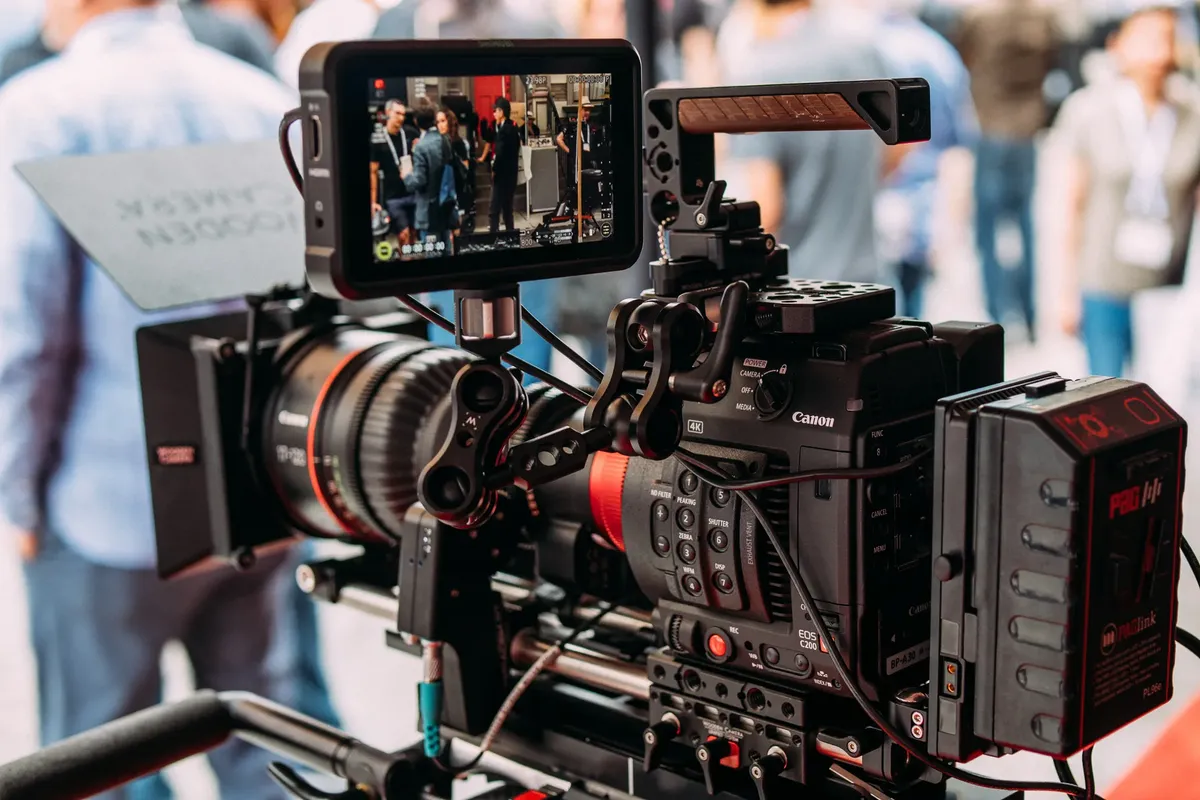
At midnight in the quiet studio, I tap my fingers against the desk while staring at the blinking cursor on the screen that awaits a basic video prompt.
A blank cursor blinking on a screen often represents the starting point of a creative journey. To turn a vague idea into a visual reality, one must establish a clear hierarchy of information within the text.
A basic AI video prompt functions as a set of instructions that defines the core elements of a shot. It typically begins with the primary subject, followed by the setting, and concludes with technical parameters like lighting or camera angle.
Without this logical flow, the AI may struggle to prioritize which elements to render with high fidelity.
The structure must account for the relationship between the subject and its surroundings. By defining the subject's action and the environment simultaneously, the prompt creates a sense of depth.
A well-organized prompt ensures that the AI understands not just what is being shown, but how it interacts with the space.
How do you build a video prompt framework? AI video prompt structure
In the dim light of my home office, I lean forward to sketch a framework that will guide each video generation.
Setting up a workspace with various reference images can help clarify the desired aesthetic. Building a robust framework ensures that every generated clip feels like part of a unified project rather than a collection of random clips.
A video prompt framework acts as a template that can be reused or slightly modified for different scenes. This consistency is vital when producing longer content where the same character or setting must appear repeatedly.
Using a consistent framework helps maintain visual continuity across multiple generations.
- Define the core subject and its primary physical characteristics to ensure recognition. 2. Establish the environmental context, including time of day and atmospheric conditions. 3. Specify the camera movement, such as a pan, tilt, or zoom, to add cinematic life.
I remember when I first tried to generate a consistent character; I realized that without a fixed framework, the face changed in every single shot.
The effectiveness of the framework depends on the specificity of the descriptors. If the framework is too rigid, the output may feel mechanical, but if it is too loose, the visual identity will drift.
Why is AI scene prompting important for storytelling?
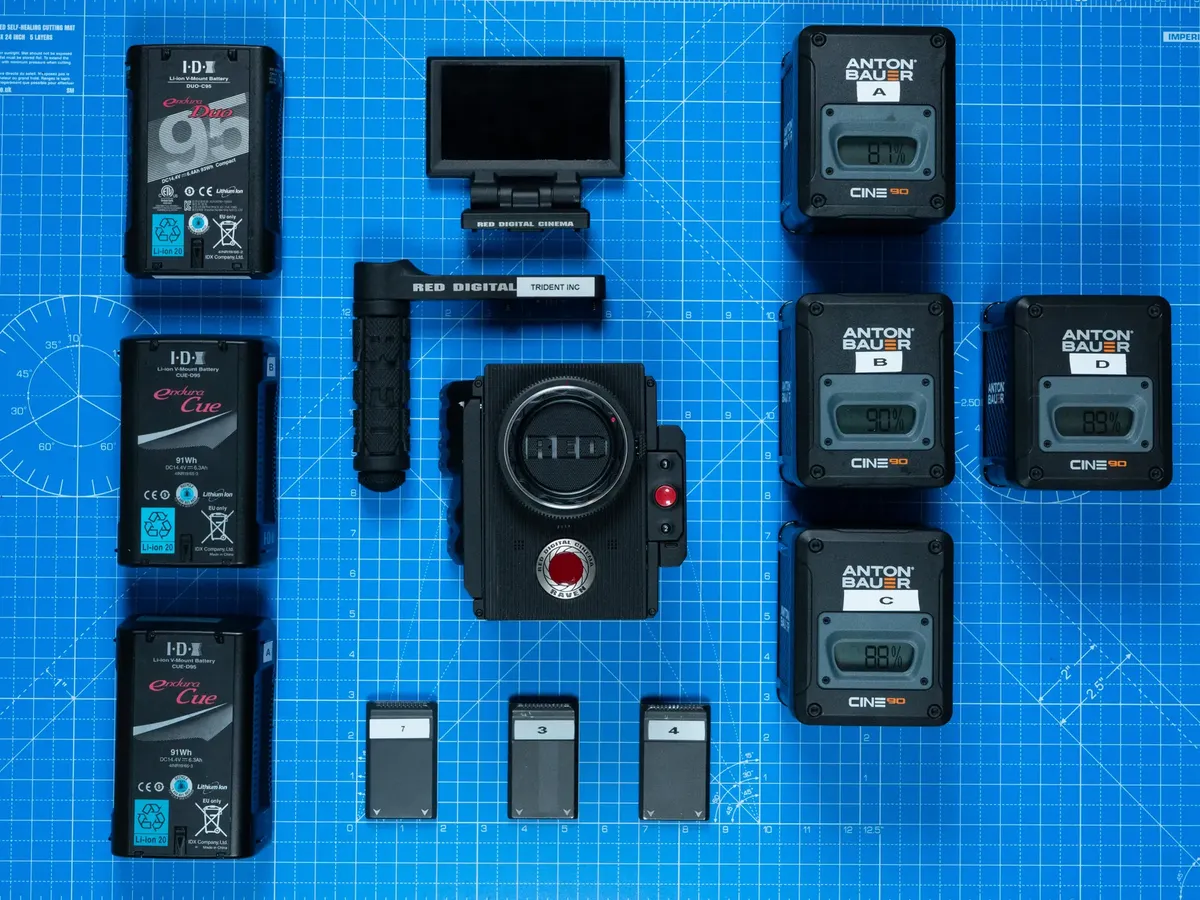
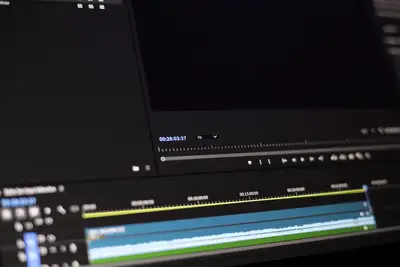
Arranging different shots on a timeline requires a clear vision of how one moment leads to the next. Effective prompting must account for the temporal nature of video, where time and motion are as important as static imagery.
AI scene prompting involves describing the specific motion or transition occurring within a single shot. This goes beyond static descriptions to include how a character moves through space or how light shifts during a sequence. It bridges the gap between a still image and a living scene.
When designing a sequence, the prompt must include verbs that describe motion clearly.
For example, instead of saying "a man walks," a more effective prompt might say "a man strides purposefully through a crowded market." This level of detail helps the AI interpret the energy and pacing of the scene.
A successful scene requires a balance of subject-driven action and environment-driven atmosphere. By layering these elements, the prompt creates a more immersive experience for the viewer.
How to manage prompting for video style?
Adjusting the brightness of a monitor or the texture of a prop can change the entire mood of a scene. Applying specific stylistic instructions allows the creator to achieve a particular cinematic or artistic look.
Prompting for video style involves using keywords that trigger specific visual aesthetics, such as "cinematic," "noir," or "hyper-realistic." This layer of the prompt dictates the color grading, lens type, and overall texture of the video.
It ensures the visual tone matches the intended emotional impact of the story.
| Element | Purpose | Result |
|---|---|---|
| Subject Descriptor | Defines the main actor or object | Visual clarity |
| Style Descriptor | Sets the artistic tone and lighting | Atmospheric consistency |
Using stylistic keywords helps the AI interpret the "feel" of the footage. For instance, adding "anamorphic lens" can provide a wide, cinematic look with specific bokeh effects.
How to structure video prompts for complex scenes?
Working through a complex sequence involves breaking down a large idea into manageable parts. Mastering how to structure video prompts requires a deep understanding of how different descriptive layers interact.
The process of structuring prompts involves moving from the general to the specific. You start with the broad concept, then layer in the subject, then the environment, and finally the technical camera settings.
This top-down approach prevents the AI from becoming overwhelmed by conflicting instructions.
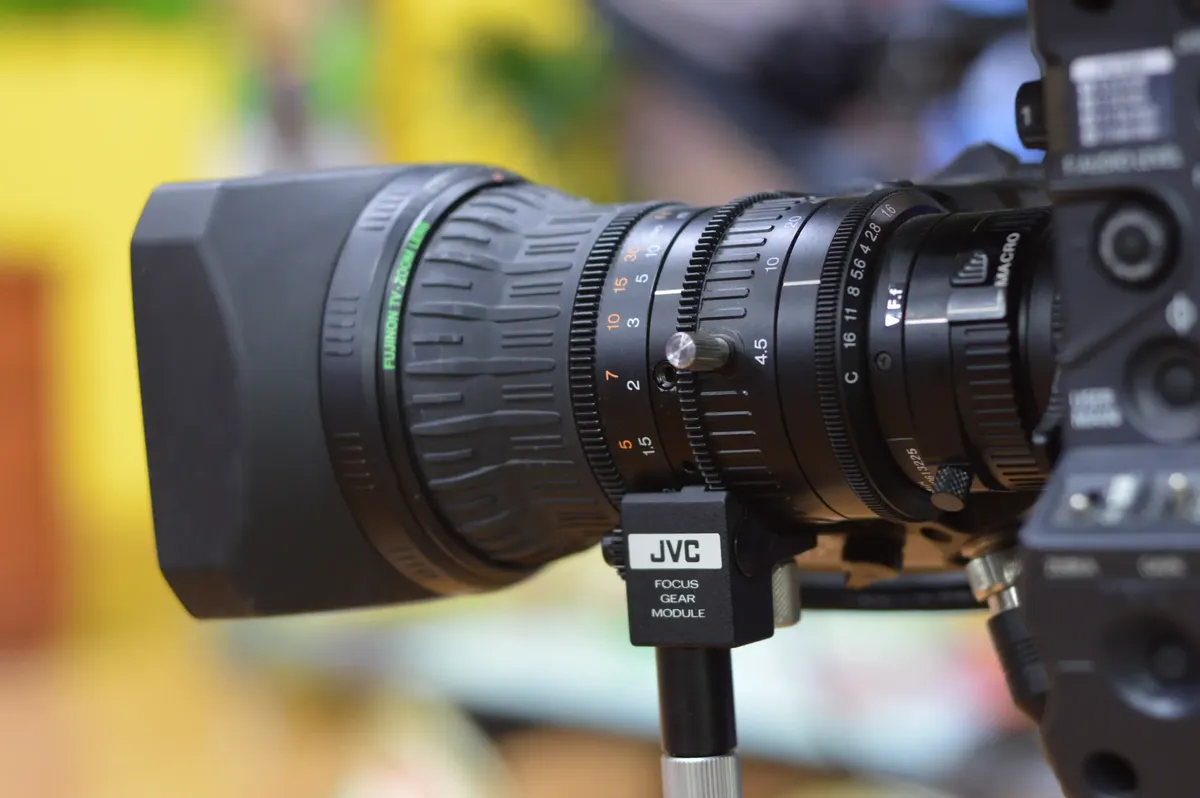
One common challenge is managing the weight of different words. If the subject is described too briefly, it might be overshadowed by a heavy environmental description. A structured approach ensures that every element receives the appropriate level of detail to achieve a balanced composition.
The goal is to create a prompt that is descriptive enough to be specific but concise enough to remain coherent. This balance is the key to professional-grade AI video generation.
- What defines a basic AI video prompt?
- How do you build a video prompt framework?
- Why is AI scene prompting important for storytelling?
The subject here is AI video prompt structure.
This part also covers Designing interview prompts for AI.
Related





Comments 0