How to implement AI video tools in a workflow?
"The landscape of digital content is shifting as automated tools redefine how we visualize ideas."
AI video making trends 2024 focus on the integration of generative models into professional workflows to automate complex visual tasks. This evolution offers streamlined production, though it requires careful oversight to maintain creative intent.
Key takeaways: * Automated generation tools are becoming standard in production pipelines. * The focus is shifting from simple clips to integrated, high-fidelity visual storytelling. * Industry-specific applications are driving the adoption of new video technologies.
How does AI video making trends 2024 impact production?
At midnight in the dim studio, I tap the glass screen to implement a sudden shift in lighting.
A producer sits before a high-resolution monitor, guiding a prompt to refine a visual scene. The screen flickers as the software interprets the request, adjusting lighting and movement in seconds.
The latest AI video tech allows creators to manipulate complex visual elements through text or image inputs. This capability drastically reduces the time required for manual frame-by-frame editing or rotoscoping.
Instead of starting from scratch, creators use these tools to establish a visual baseline.
The shift toward AI video production 2024 means that the barrier to high-quality visual output is lowering. Small teams can now produce cinematic-quality shots that previously required massive budgets. This democratization changes the speed at which content can be created and iterated.
As new video AI trends emerge, the focus moves toward temporal consistency, ensuring that characters and backgrounds remain stable throughout a clip. This technical hurdle is being addressed through more sophisticated neural networks.
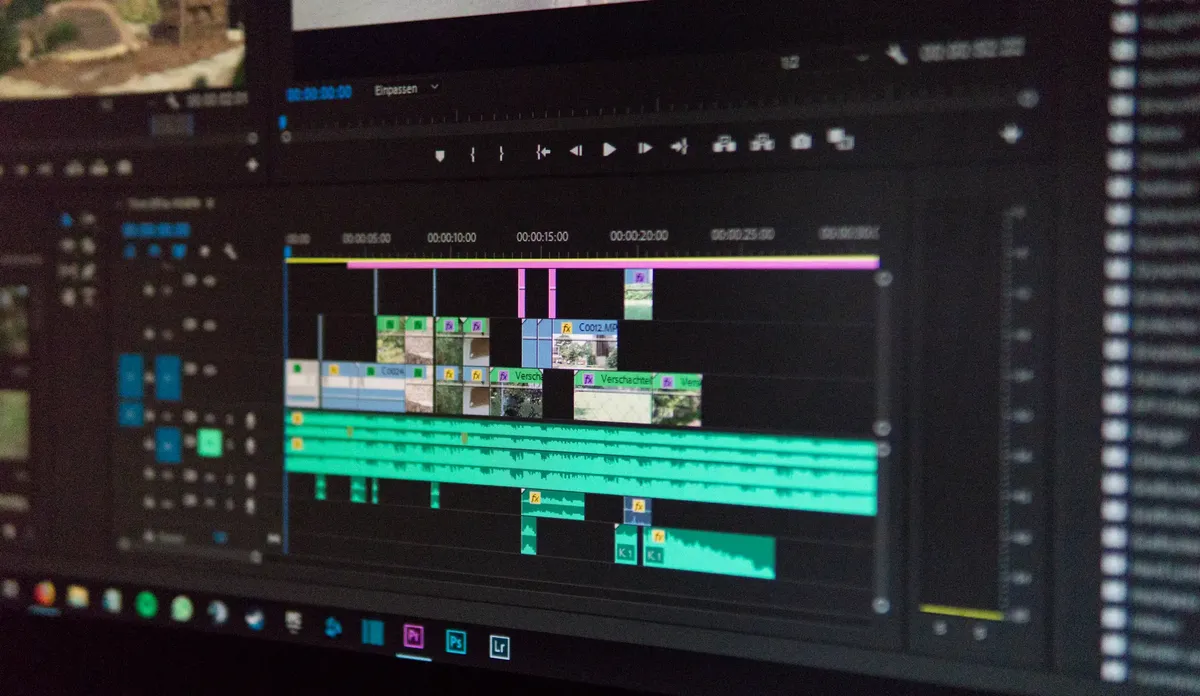
The shift toward generative models allows for rapid prototyping and visual experimentation that was previously too costly for small teams.
What are the primary AI video use cases?
In the silent studio at dusk, I drag a single image into the window to implement a new way of generating motion.
A marketing specialist drags a single image into a software window to generate a moving sequence. The software expands the background, creating a sense of depth and motion that wasn't in the original static file.
The technology is being applied across various sectors to enhance visual storytelling. AI video use cases range from advertising to educational content, where specific visual assets can be generated on demand. This flexibility allows for rapid prototyping of visual concepts.
In a professional setting, I observed how a designer used a generative tool to expand the environment of a product shot. This process allowed for the creation of diverse backgrounds without a physical photoshoot.
The integration of AI video in industry now involves using these tools to assist in pre-visualization and concept art. This helps directors see potential shots before any physical filming begins.
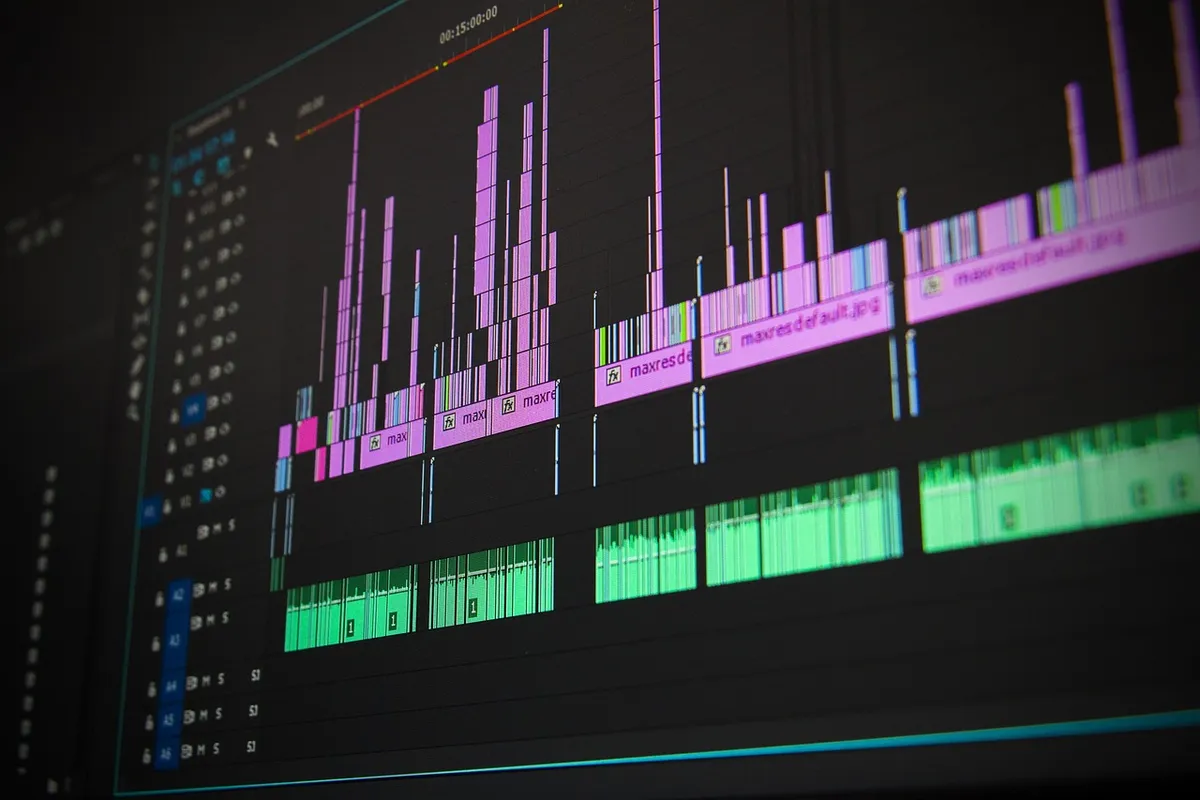
Advanced video generation techniques are also being explored for specialized fields like agriculture and heavy machinery. For instance, the development of AI-driven visual systems can help demonstrate complex automated processes.
The future of video creation depends on how well these tools integrate with existing editing software. As these systems become more intuitive, the leap from an idea to a finished video becomes much shorter.
Common applications include automated b-roll generation, personalized marketing clips, and rapid storyboarding for pre-visualization.
How to implement AI video tools in a workflow?
Late at night in the dim office, I tap the glowing screen to implement a streamlined editing process.
An editor opens a new project file and prepares to integrate AI-generated assets into a professional timeline. The workflow requires a structured approach to ensure the generated content matches the project's quality.
- Define the visual style and parameters to ensure consistency across all generated clips. 2. Generate base assets using prompt-based tools to establish the core visual elements. 3. Refine the generated footage through manual editing and traditional post-production techniques.
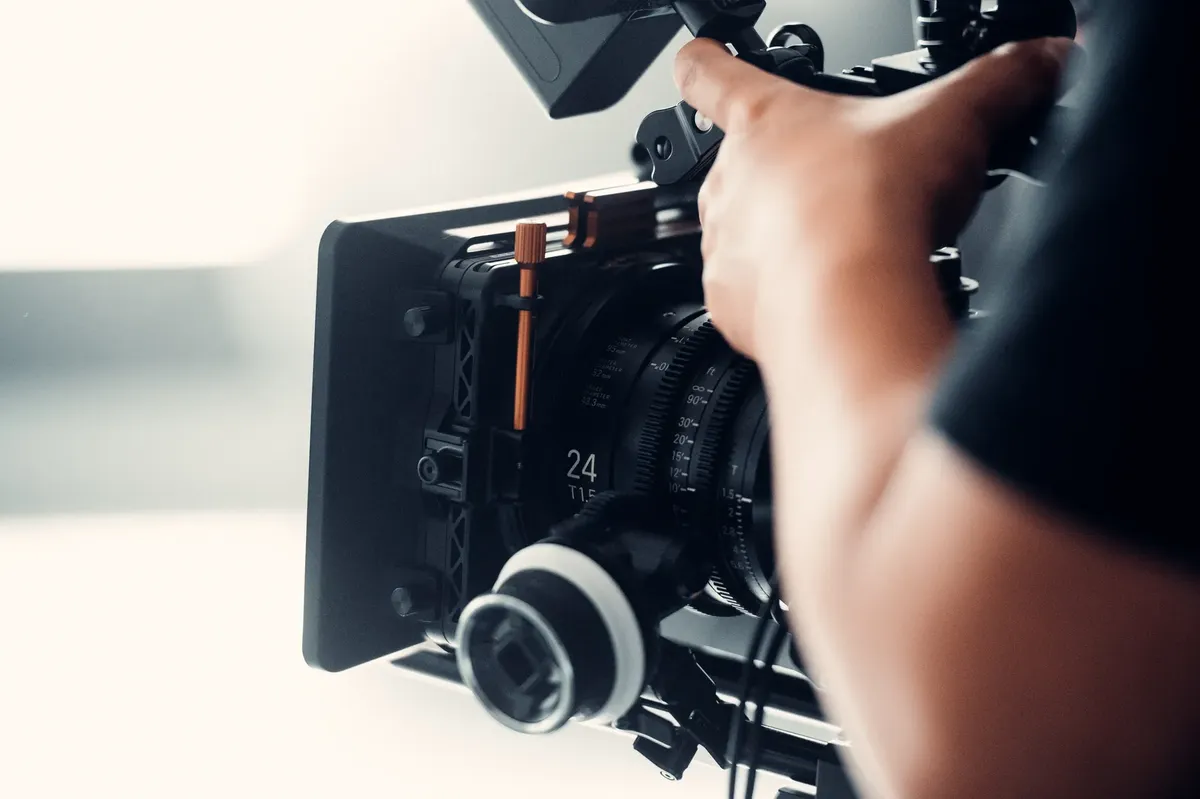
A final check involves reviewing the temporal stability and resolution of the AI assets to ensure they blend seamlessly with traditional footage. This step prevents visual glitches from ruining the professional look of the final edit.
- Integrate generative tools during the ideation and scripting phase to visualize concepts.
- Use AI-driven editing plugins to automate repetitive tasks like color grading or subtitling.
- Apply upscaling tools during the final export stage to enhance resolution.
The subject here is AI video making trends 2024.
AI video in industry now
Related
- What are the implications for the gaming industry?
- NSFW video creation ethics: Tips for responsible workflow
What constraints exist in the digital landscape?
Constraints in the digital landscape involve managing the balance between automated generation and manual oversight to maintain creative intent.
While tools allow for rapid prototyping, the user must ensure that the generated assets do not conflict with the established visual style or project requirements.
When comparing traditional methods to these new workflows, the primary difference lies in the speed of iteration. Instead of manual frame-by-frame editing, creators use generative tools to establish a visual baseline, which requires a different approach to quality control.
This shift necessitates a careful check of temporal consistency to prevent visual glitches.
If a user attempts to implement these tools, they must consider the condition of the input assets. For instance, a static image used to generate motion must be evaluated for how well the software expands the background.
This comparison between the original file and the generated sequence is vital for maintaining a professional look.
In this sequence, the second step is the most time-consuming.







Comments 0