AI voice synthesis for video: 15 seconds data tips
"The barrier to entry for high-fidelity voice cloning has collapsed from hours of studio recordings to mere seconds of audio."
Modern creators use AI voice synthesis for video to bridge the gap between scripted text and natural human expression. This guide explores the transition from massive data requirements to rapid cloning, the technical thresholds of intelligibility, and the risks of voice-based fraud.
You will learn about data requirements, the pitfalls of insufficient training, and the security implications of this technology.
How much data is needed for AI voice synthesis for video?
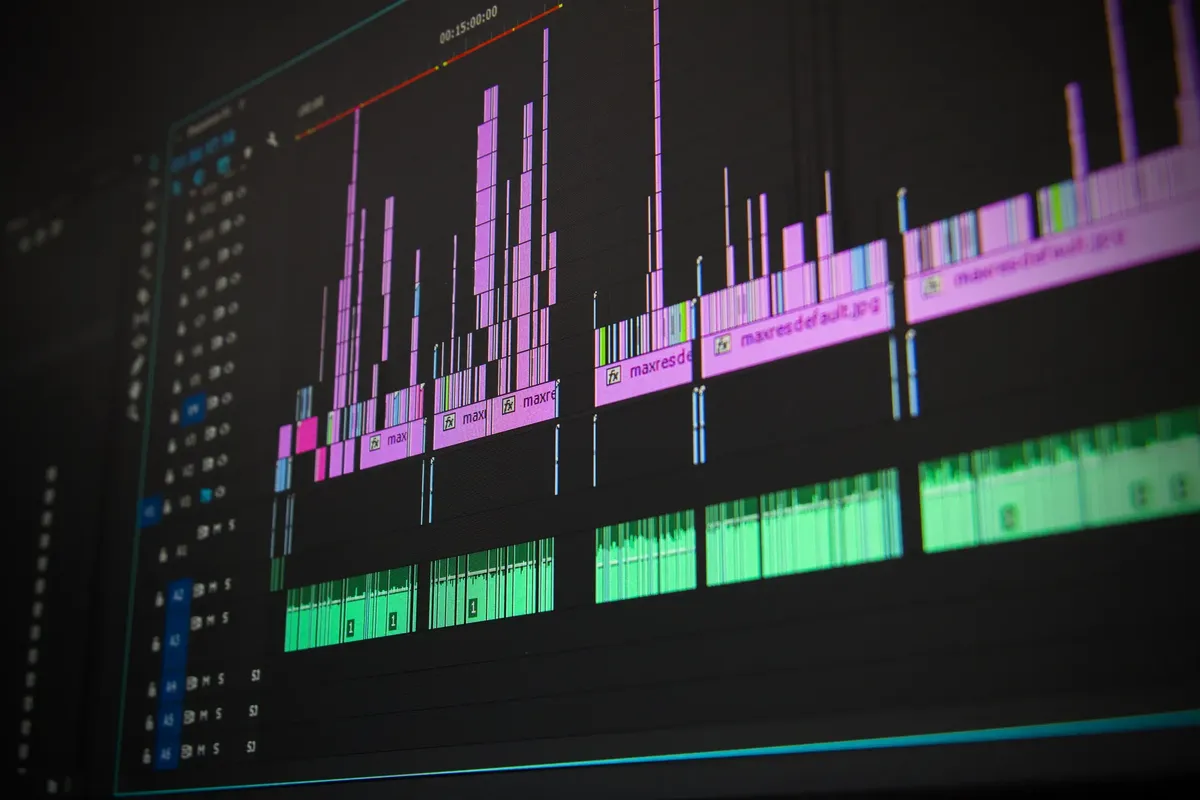
A producer sits at a workstation, clicking through audio files to find the perfect vocal sample. The shift from traditional recording to digital synthesis has changed how much audio is required to build a convincing persona.
Previously, engineers required tens of hours of high-quality recordings to build a stable voice model. The creator of 15.ai stated that 15 seconds of training data is sufficient to perfectly clone a person's voice, which represents a massive reduction in data needs.
In March 2024, OpenAI corroborated the 15 second benchmark to clone a human's voice.
This rapid capability enables much faster workflows in digital content creation. However, the speed of this technology does not always guarantee high-fidelity results across all models.
The amount of data required depends on the desired level of emotional nuance and vocal stability. While a few minutes of high-quality audio can produce a recognizable likeness, several hours of diverse speech are often necessary to capture natural prosody and prevent repetitive patterns during long-form video narration.
What happens when training data is insufficient?
An engineer adjusts the sliders on a mixing console, watching the waveform struggle to stabilize. When working with limited datasets, the relationship between data volume and speech quality becomes highly sensitive.
Technical limitations often surface when datasets are too small for the specific architecture being used. When trained on smaller datasets, such as 2 hours of speech, the output quality degraded while still being able to maintain intelligible speech.
With just 24 minutes of training data, Tacotron 2 failed to produce intelligible speech.
Deep learning voice generation requires a delicate balance of data to prevent these failures. If the dataset is too sparse, the model may lose the ability to produce recognizable speech entirely.
Insufficient data often results in robotic inflections, unnatural pacing, or digital artifacts. The model may struggle to maintain consistency, leading to sudden shifts in tone or pitch that break the immersion of the video content.
How can I apply these methods to my workflow?
A designer opens a video editing suite to sync a synthetic voiceover with a character animation. Moving from theory to practice requires following a logical progression to ensure the output remains usable.
To integrate these tools into a creative pipeline, follow these steps:
- Collect high-quality source audio that captures the unique timbre and inflection of the target voice. 2. Select a model capable of handling the specific amount of available data to avoid intelligibility issues. 3. Perform a final check to ensure the synthetic output matches the intended emotional tone and pacing of the visual content.
I found that selecting the right model based on the available audio length was the most critical step in my own testing. Digital content voice tech relies heavily on matching the tool to the dataset size.
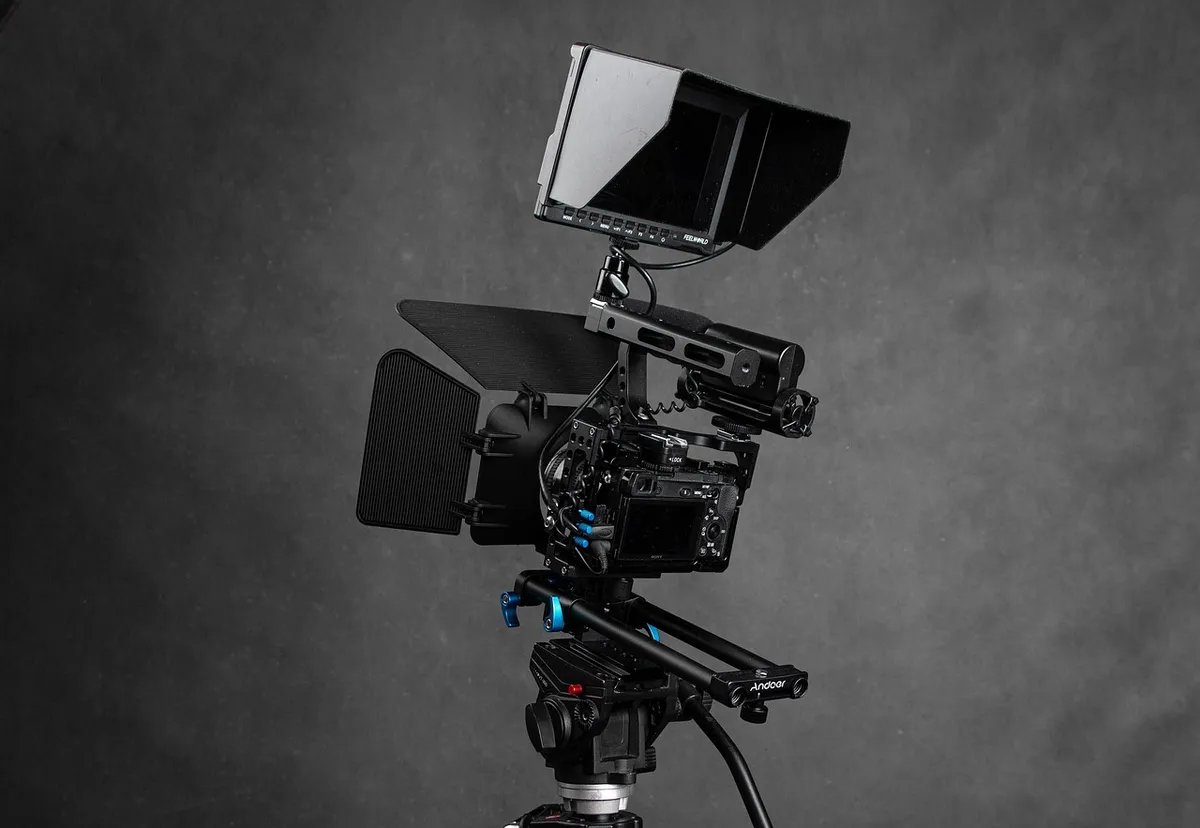
- Record clean, high-fidelity audio samples in a quiet environment to establish a strong vocal baseline.
- Upload the samples to a synthesis platform to generate a digital voice clone.
- Use the generated speech to overlay narration onto video projects, adjusting parameters to match the visual pacing.
What are the risks of using synthetic speech methods?
A user stares at a phone screen, hearing a familiar voice on the other end of a suspicious call. While the technology offers creative freedom, it also introduces significant social and security vulnerabilities.
The ease of cloning voices makes them a target for malicious actors. According to a 2023 global McAfee survey, one person in ten reported having been targeted by an AI voice cloning scam; 77% of these targets reported losing money to the scam.
This demonstrates how rapid advances in voice cloning can be weaponized.
AI video audio creation must therefore be handled with an awareness of these security risks. Protecting identity and verifying sources becomes as important as the creative process itself.
Primary risks include the potential for uncanny valley effects, where the voice sounds almost human but remains unsettling to listeners. There are also concerns regarding identity theft and the creation of deepfakes, which can lead to misinformation if the synthetic voice is used to impersonate real individuals without consent.
How do modern voice technologies compare?
A researcher compares two different audio outputs on a split-screen monitor to identify subtle differences. Understanding the technical trade-offs helps in deciding which method to use for specific projects.
The following table compares the data requirements and outcomes of different training scenarios:
| Training Data Volume | Primary Outcome |
|---|---|
| 15 Seconds | Perfect cloning (per 15.ai) |
| 24 Minutes | Failure to produce intelligible speech (Tacotron 2) |
Synthetic speech methods have evolved from requiring massive libraries to needing almost no data at all. This comparison shows how much the threshold for "usable" speech has shifted over time.
Modern technologies range from simple text-to-speech engines to advanced generative models. While basic engines offer speed and low computational costs, generative models provide much higher fidelity and the ability to mimic specific emotional nuances, though they require more processing power.
Related
- What are the practical applications of this technology?
- AI video structural design guide: tips for visual language
What are the practical implications of the lowered barrier to entry?
The lowered barrier to entry means that creation tools are now accessible to individuals without extensive studio resources. Producers can now experiment with voice synthesis for video projects using minimal audio samples. This accessibility changes the dynamics of content production significantly.
- A creator can quickly test various vocal styles using short clips. 2. The speed of this process allows for rapid iteration on scripts and performances. 3. Careful selection of the model remains necessary to ensure the output quality meets expectations.
A lower barrier to entry allows independent creators to produce professional-sounding narration without expensive studio setups. However, this democratization also increases the volume of synthetic content in the digital landscape, making it harder to distinguish between human and machine-generated media.
How does model selection influence the final voice output?
Model selection directly dictates the fidelity achievable from the available training data. Certain architectures are better suited for sparse datasets than others. The comparison table illustrates this dependency clearly.
When the training data volume is very low, the model must extrapolate heavily from limited examples. This extrapolation introduces a condition where the output might sound artificial even if it remains intelligible.
Conversely, a robust model can extract more nuance from a smaller dataset, minimizing the degradation seen in other scenarios.






Comments 0