Documentary Continuity Guide: Seamless video transition tips
"The screens are held for about 5–10 seconds to allow adequate time for the viewer to read them."
To achieve seamless video in documentary or archival footage, editors must manage the pacing of visual information to prevent jarring jumps. This involves controlling the duration of static elements and ensuring that transitions do not disrupt the viewer's ability to process the context.
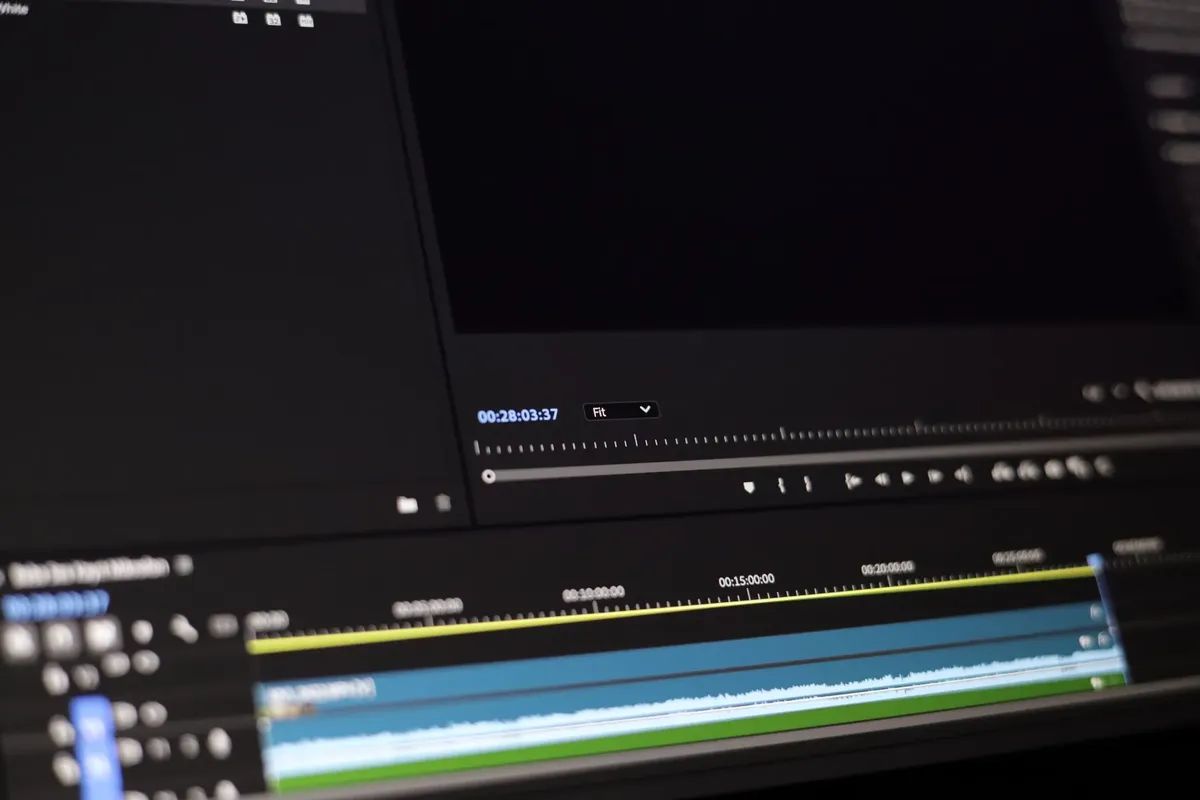
Key takeaways include managing screen duration for readability, utilizing environmental landmarks for continuity, and matching the tempo of cuts to the subject matter.
How can you achieve seamless video transitions?
At midnight in the dim studio, I slide the cursor across the screen to adjust a clip, ensuring the rhythm of the documentary remains fluid.
A hand reaches for the mouse to drag a still frame across the timeline, adjusting the clip length to match the rhythm of the narration. To ensure the viewer absorbs necessary information, the screens are held for about 5–10 seconds to allow adequate time for the viewer to read them.
This duration prevents the visual jump that occurs when text or data disappears too quickly for comprehension.
Maintaining this steady pace is essential when dealing with informative overlays or archival documents. If a transition happens too fast, the viewer experiences a sense of loss or confusion regarding the data presented.
By applying this specific timing, the editor creates a bridge between shots that feels intentional rather than accidental.
When I was working on a project involving historical documents, I found that adjusting these specific timing windows was the only way to keep the narrative flow from breaking. I carefully timed the pauses to ensure every detail was captured before the next cut occurred.
To create a natural flow, match the motion direction between shots and use similar lighting or color palettes to bridge different clips.
Why is visual continuity important in documentary footage?

A camera pans across a wide landscape, capturing the relationship between different locations to build a sense of place. The music video showed these landmarks down at Los Angeles such as Staples Center, the Watts Towers, and LAX.
Using recognizable landmarks helps ground the footage, providing a spatial continuity that makes the transitions feel natural to the audience.
Effective editing relies on these visual anchors to prevent the viewer from feeling lost during a scene change. When a viewer recognizes a location or a consistent environment, the transition between two different shots feels like a logical progression rather than a sudden break.
This technique builds a cohesive world within the frame.
The ability to connect disparate clips depends on these environmental cues. Without such anchors, the footage can feel disjointed and fragmented.
Maintaining visual consistency prevents viewer distraction and ensures that the narrative remains the primary focus without being interrupted by jarring jumps in tone or style.
What are the steps for managing screen transitions?
At dawn in the dark studio, my finger taps the desk as I drag a clip to smooth out the rhythm of the documentary.
An editor sits in a quiet studio, staring at a sequence of text-heavy slides that need to be woven into a documentary timeline. To manage these transitions effectively, follow these steps:
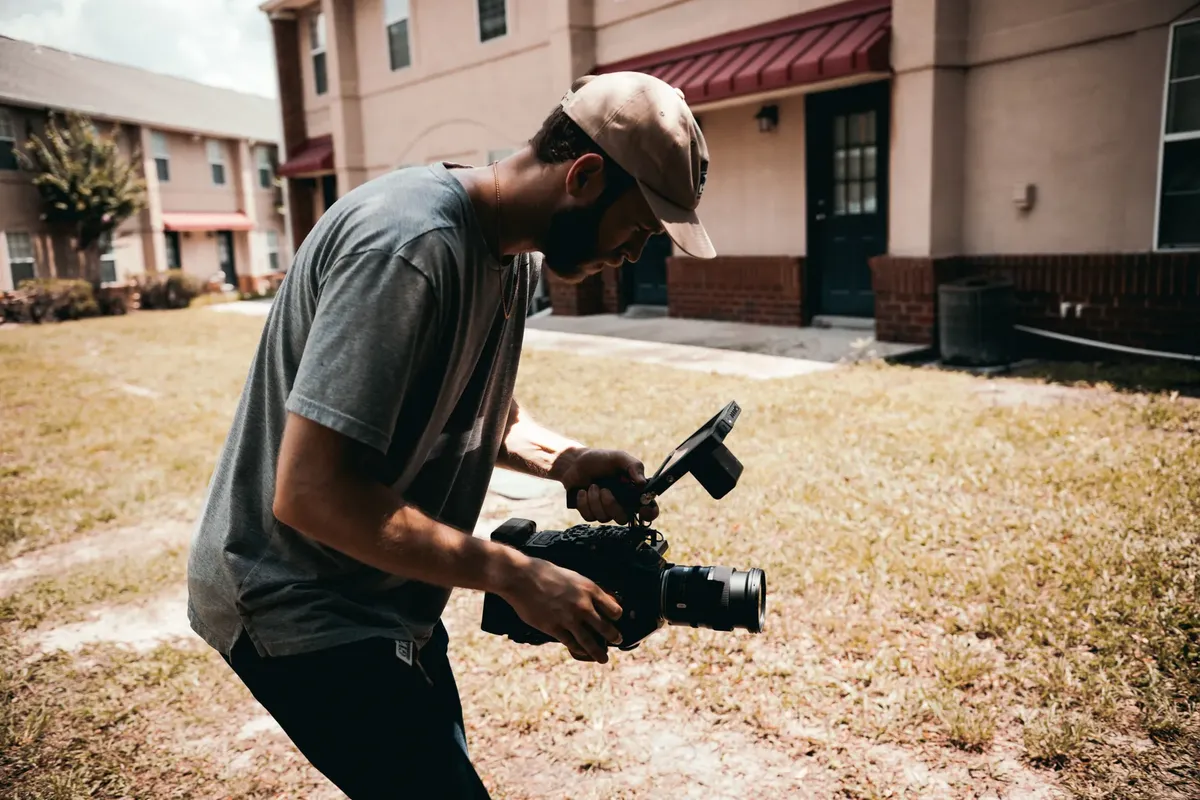
- Determine the amount of text or visual data on the screen to establish a baseline duration. 2. Extend the clip length to ensure the visual information is processed before the cut happens. 3. Sync the transition point with a natural pause in the audio or a change in the subject's movement.
After setting these parameters, perform a final check by viewing the sequence at a normal playback speed to ensure the timing feels natural. This process prevents the viewer from feeling rushed or interrupted.
- Identify the visual relationship between the outgoing and incoming shots.
- Select a transition type that complements the pacing of the scene.
- Adjust the timing and opacity to ensure a smooth blend between clips.
How do you handle static elements in a sequence?
A finger taps the desk while watching a screen where a still image remains visible for several seconds. Because static elements like text or maps require more cognitive effort to process, the timing must be more deliberate than with moving action.
The screens are held for about 5–10 seconds to allow adequate time for the viewer to read them.
If the timing is too short, the transition becomes a distraction rather than a way to move the story forward. If it is too long, the momentum of the video may stall. Finding the balance between these two extremes is the primary goal of managing static transitions.
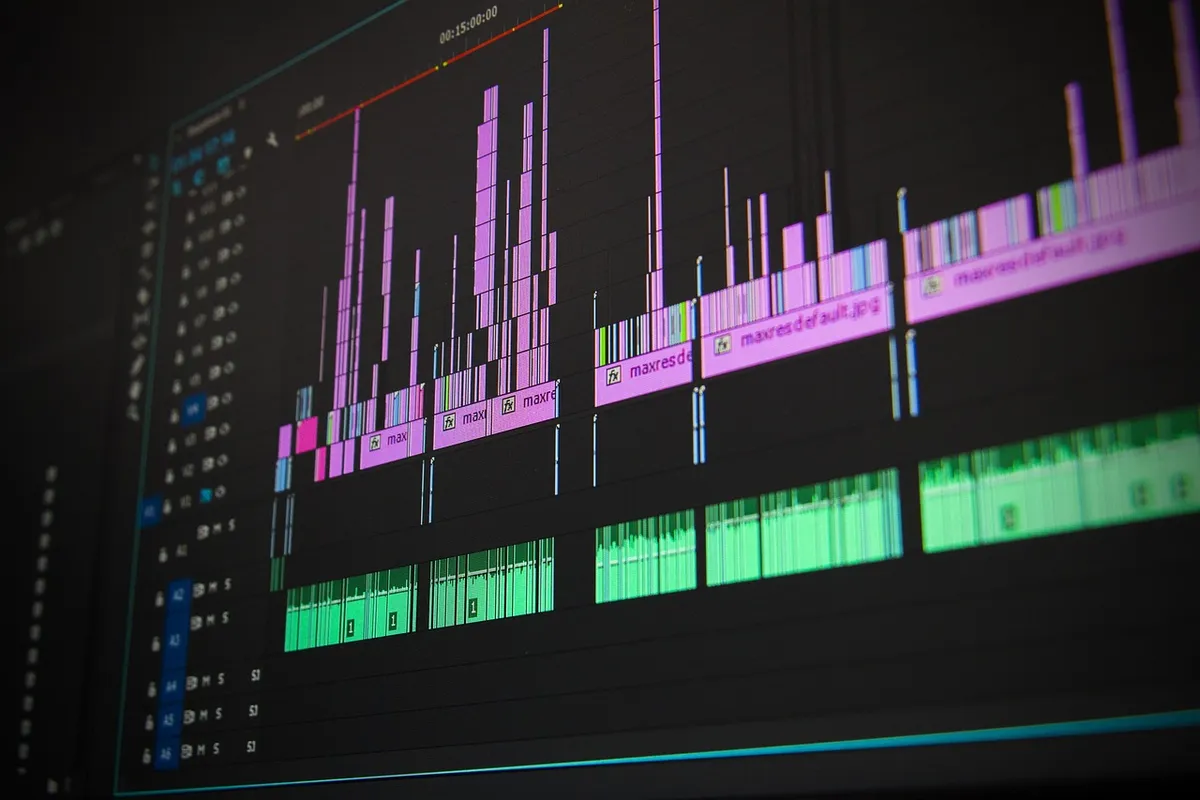
Use subtle zooms or pans to add life to still subjects, and ensure that the framing remains consistent to prevent sudden shifts in the viewer's perspective.
Seamless video transition tips
The subject here is Seamless video transition tips.
The same subject is also called Smooth scene change editing.
The same subject is also called Fixing video jump cuts.
The same subject is also called Continuous footage editing.
The same subject is also called No break video flow.
This part also covers Techniques for smooth recording edits.
This part also covers How to avoid video discontinuity.
This part also covers Best practices for archival editing.
Techniques for smooth recording edits
Related
- How to maintain Subtitle placement best practices for video
- Interview question answer ratio guide for engaging interview
When is timing adjustment most critical?
Timing adjustment is most critical when dealing with dense informational overlays or when archival documents are being presented. The screens must be held long enough for the audience to properly absorb the material before the next visual element appears. If the timing is insufficient, the viewer may miss crucial context.
When matching the tempo of cuts to the subject matter, the editor must consider the emotional weight of the scene. A dramatic moment requires a slower, more deliberate transition, while fast-paced action benefits from quicker cuts. This comparison ensures the pacing supports the narrative intent.
Maintaining visual consistency is paramount when shifting between different environments within the same sequence. The editor should actively look for shared elements, such as consistent lighting or similar color palettes, to bridge disparate clips effectively. This visual linkage guides the audience smoothly through the edited material.
How does content dictate transition strategy?
Content dictates transition strategy because the necessary duration for a transition is entirely dependent on the amount of information presented on the screen. For text-heavy slides, the screens must be held for about 5–10 seconds to allow adequate time for the viewer to read them. Conversely, simple environmental shots might require less time to establish place.
When identifying the visual relationship between outgoing and incoming shots, the editor should prioritize continuity cues. Recognizing a consistent environment helps the audience perceive the change as a logical progression rather than a sudden break. This reliance on existing visual anchors is key to seamless editing.
If the editor fails to match the motion direction between shots, the resulting transition can feel abrupt. A deliberate attempt to align movement helps create a natural flow, even when the subject matter shifts between clips.








Comments 0