How to edit prompts for AI video to maintain consistency?
A single prompt can dictate the entire emotional arc of a digital production.
Effective AI interview video production requires precise prompt editing to manage pacing and narrative transitions.
This guide covers how to structure prompts for better flow, how to manage scene transitions, and how to incorporate supplementary content like deleted scenes or commentary to enrich the final product.
How to edit prompts for AI video to maintain consistency?
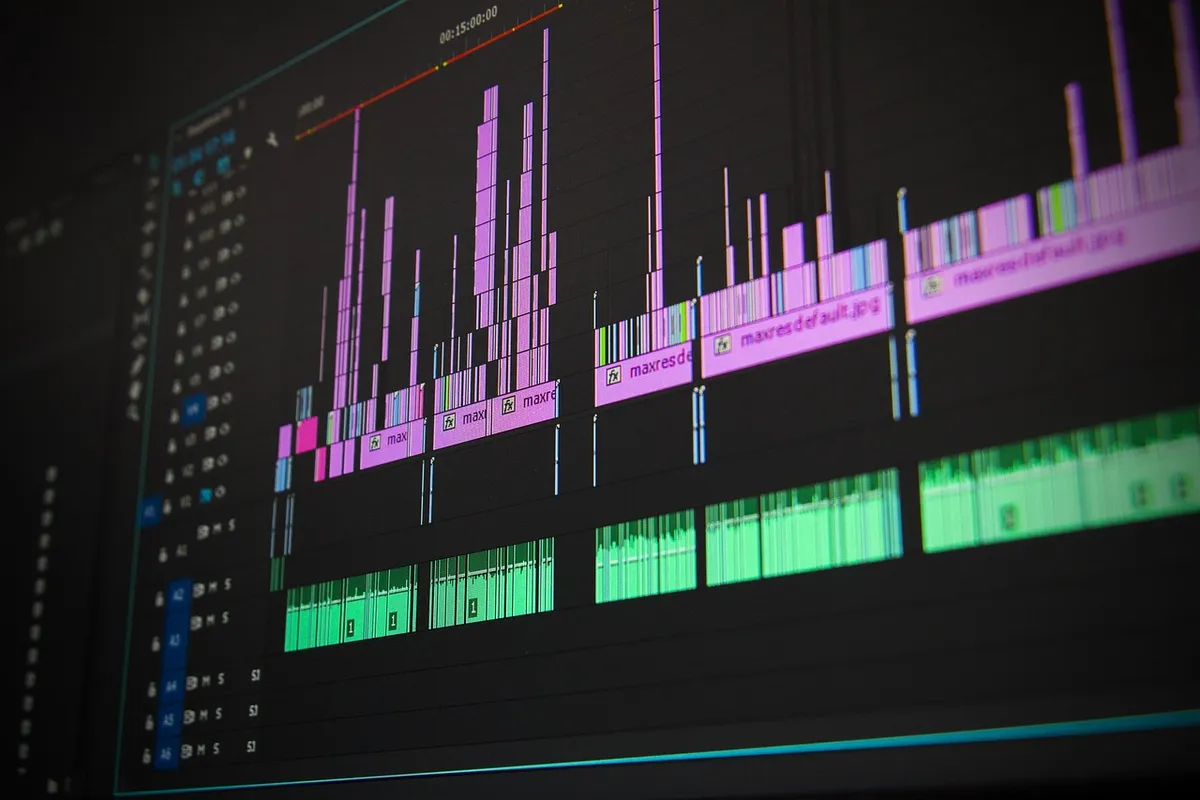
At midnight in the dim studio, I lean forward to edit the text until the flickering screen finally settles into a steady glow.
A creator is seated at a glowing monitor, inputting lengthy descriptive text to stabilize a flickering character. They must decide whether to focus on the character's movement or the environmental lighting to ensure the interview looks natural.
Effective prompt editing for video flow involves setting clear parameters for character stability and background consistency. When you adjust a prompt, you are not just changing a single word but managing the entire visual environment to prevent jarring jumps between shots.
If the character's expression shifts too wildly, you must refine the descriptive adjectives to lock in a specific mood.
The goal is to ensure that the visual identity remains stable throughout the interview. This requires a balance between descriptive detail and technical constraints.
If you over-prompt, the AI might struggle to follow all instructions; if you under-prompt, the video might drift from the intended style.
- Define a core visual identity including lighting, camera angle, and character traits.
- Use consistent seed numbers or character reference tags across different prompts.
- Adjust specific descriptive keywords to bridge the gap between varying scenes.
Techniques for AI interview flow through scene management AI interview flow control
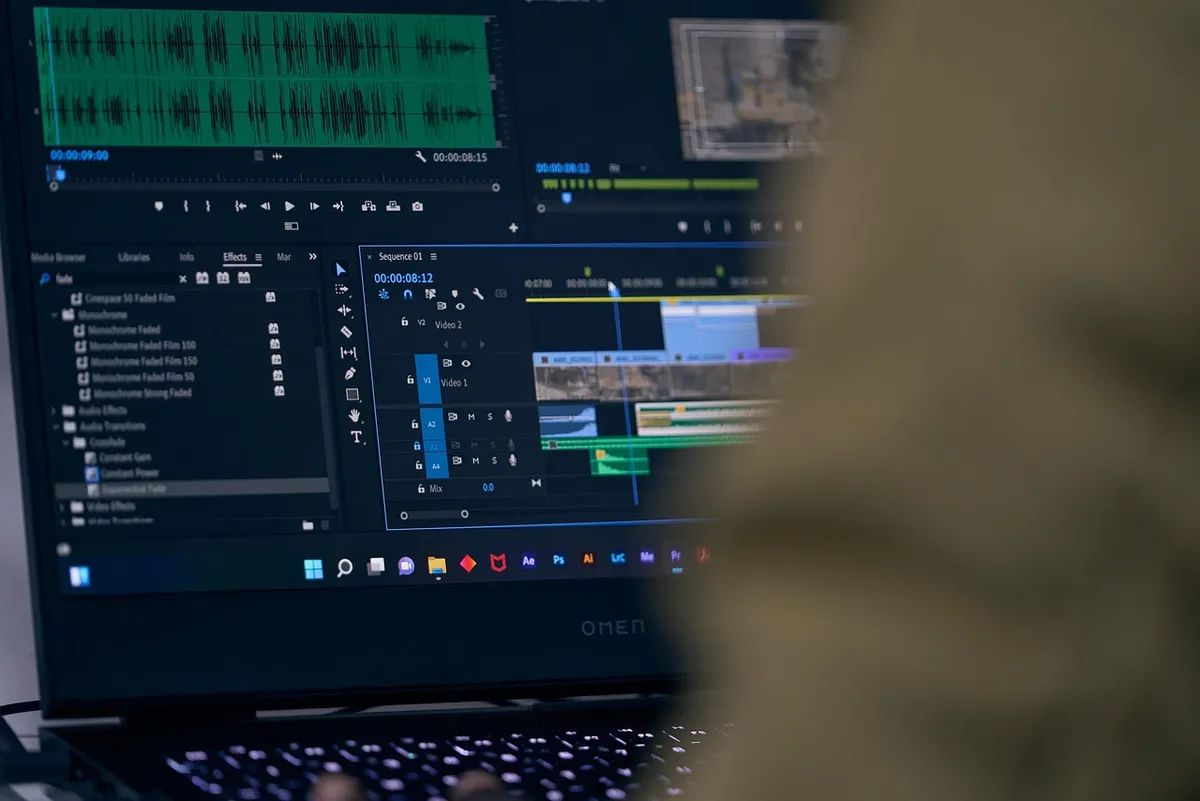
Late at night in the quiet office, I tap my fingers against the desk as I edit the scene descriptions to fix the jarring jumps on the monitor.
A director watches a screen where a digital avatar moves through a sudden, unnatural jump in lighting. They realize the transition between the wide shot and the close-up lacks the necessary connective tissue in the prompt.
Managing AI interview scenes requires thinking about the relationship between different camera angles. You might use a wide shot to establish the setting and then transition to a tight close-up for emotional impact. To make this work, the prompts must share a common set of environmental descriptors.
One way to manage this is to use a "base prompt" for the setting and then layer specific action prompts on top. This keeps the background constant while allowing the subject to interact with the space. Without this layered approach, the background might change entirely when the camera moves.
In this sequence, the second step is the most extensive.
Improving AI interview structure with supplementary content
A technician prepares a digital archive, organizing clips that were not part of the main narrative. They look at a collection of 90 minutes of deleted scenes and behind-the-scenes featurettes to see how they might add depth to a release.
Building a complete video package often involves looking beyond the primary footage.
For example, a home release might be packaged as a special edition, including 90 minutes of deleted scenes, behind-the-scenes featurettes, a blooper reel, feature commentary, and special episodes to provide extra value.
Structured content allows for a more robust viewing experience. You can use these extra elements to show the "making of" process or provide different perspectives on the same subject. This variety keeps the audience engaged even after the main interview concludes.
Applying editing techniques to specific release formats
A producer compares a theatrical release to a direct-to-video release to determine the best distribution strategy. They weigh the excitement of a limited screening against the steady reach of a home video release.
When applying these techniques, you must consider the final medium.
For instance, a direct-to-video movie may get a limited theatrical screening in order to build excitement for the actual release of the video, such as was done for 2010's Justice League: Crisis on Two Earths, 2016's Batman: The Killing Joke, or 2013's Sharknado.
- Define the core visual style in a master prompt to prevent inconsistencies. 2. Create specific scene-based prompts that build upon the master style. 3. Integrate supplemental footage like bloopers or commentary to add personality. 4. Perform a final check to ensure all transitions feel seamless and intentional.
I once spent hours adjusting a lighting prompt just to make sure a close-up matched a previous wide shot.
A limitation of these techniques is that the effectiveness depends entirely on the underlying AI model's ability to interpret complex, layered instructions.
The subject here is AI interview flow control.
The same subject is also called Edit prompts for video flow.
The same subject is also called Control AI interview pace.
The same subject is also called Manage AI interview scenes.
Related
- AI video transition optimization tips for smooth sequence
- AI video reliability techniques guide for content creators
What happens if the single prompt is too vague?
If the single prompt lacks sufficient detail, the AI may generate visuals that deviate significantly from the intended narrative tone. A vague prompt allows the AI freedom, which can result in inconsistent character presentation across different segments of the interview. This lack of constraint undermines the goal of maintaining a stable visual identity throughout the production.
When the prompt is insufficiently detailed, the resulting video may exhibit unpredictable shifts in mood or setting. The creator must then resort to extensive post-production editing to correct these AI-introduced inconsistencies.
This corrective work adds significant time to the production pipeline.
How does the single prompt relate to scene transitions?
The single prompt establishes the foundational aesthetic that all subsequent scene prompts must support. Successful scene transitions rely on the continuity established by this initial, overarching prompt. If the initial prompt dictates a specific color palette, every subsequent scene prompt must adhere to that palette to avoid visual dissonance.
Layering action prompts on top of a base prompt ensures that the environmental descriptors remain consistent across scene changes. This layering technique directly addresses how the single prompt's initial vision is maintained during dynamic camera movements.
Creators can use the base prompt to lock in the environmental lighting mentioned earlier, ensuring that the transition from a wide shot to a close-up feels like a natural shift in focus rather than a jarring cut. This careful management of the single prompt's scope is key to smooth flow.







Comments 0