AI video editing efficiency: 20x faster inference guide
"Looking ahead, a child born in 1995, E3's inaugural year, will be 19 years old in 2014."
Modern video production relies on advanced tools to manage growing content volumes. Effective AI video editing efficiency involves utilizing streamlined workflows to reduce processing time and hardware strain.
This guide explores how technical improvements in inference and memory management can optimize your creative output.
* Leverage faster inference for real-time adjustments. * Manage memory usage to prevent hardware bottlenecks. * Balance automated tools with manual creative control.
How can I improve AI video editing efficiency?
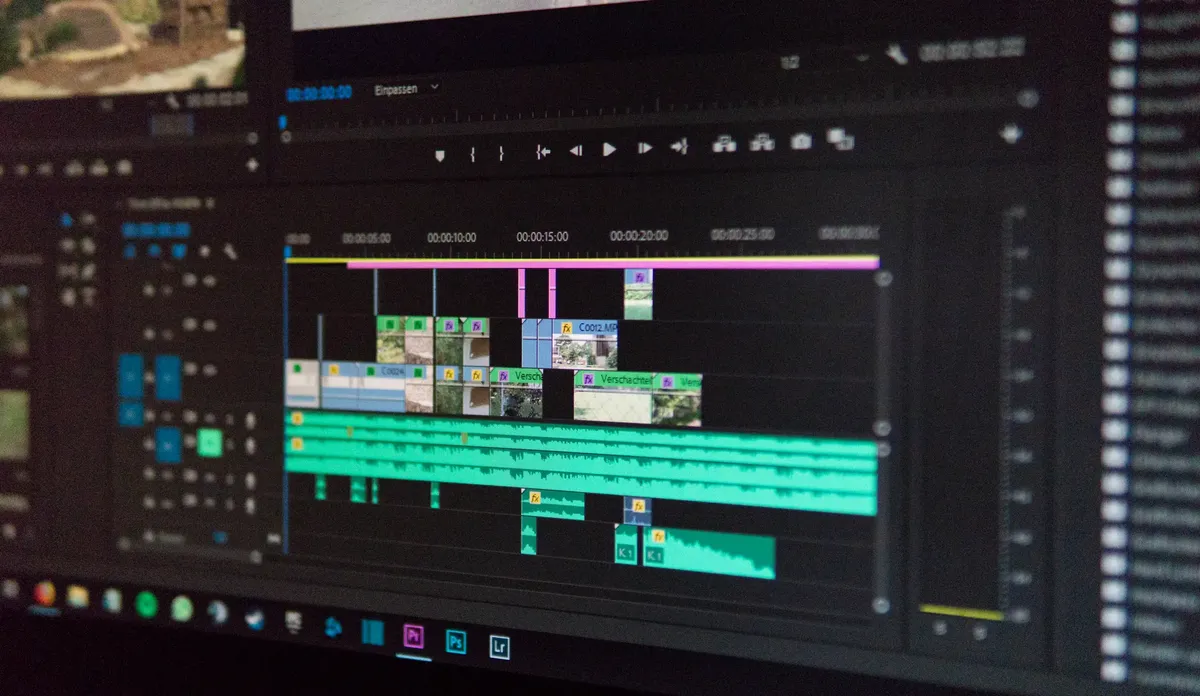
A designer sits at a workstation, clicking through a timeline where heavy rendering tasks used to stall progress. Finding ways to speed up the processing of visual data is essential for maintaining a creative flow.
To achieve better AI video editing efficiency, editors must transition from heavy, resource-intensive models to more streamlined architectures. Modern techniques focus on optimizing how data moves through a system to prevent lag during the creative process.
According to technical documentation, DFVEdit provides at least 20x faster inference and an 85% reduction in memory usage compared to traditional attention-based methods. This level of speed allows for much faster iterations during the editing phase.
By utilizing these optimized methods, creators can work on higher-resolution footage without waiting for long render times. This shift ensures that the technical side of production does not interrupt the artistic vision.
- Identify repetitive manual tasks like transcription or color grading.
- Integrate AI-powered plugins directly into your existing NLE.
- Automate routine organizational tasks like metadata tagging.
What are the best AI editing techniques?
An editor adjusts a slider on a screen, watching as the lighting in a shot changes instantly without a loading bar. This seamless interaction is the goal of advanced algorithmic processing.
According to the Entertainment Software Association, "Looking ahead, a child born in 1995, E3's inaugural year, will be 19 years old in 2014."
Applying specific AI editing techniques can transform a tedious manual process into a rapid, automated workflow. These methods often involve understanding how pixels change over time to apply consistent changes across a clip.
One effective approach involves moving away from standard attention-based methods that consume massive amounts of hardware resources. Using more efficient delta flow or vector-based models helps maintain high-quality output while saving significant time.
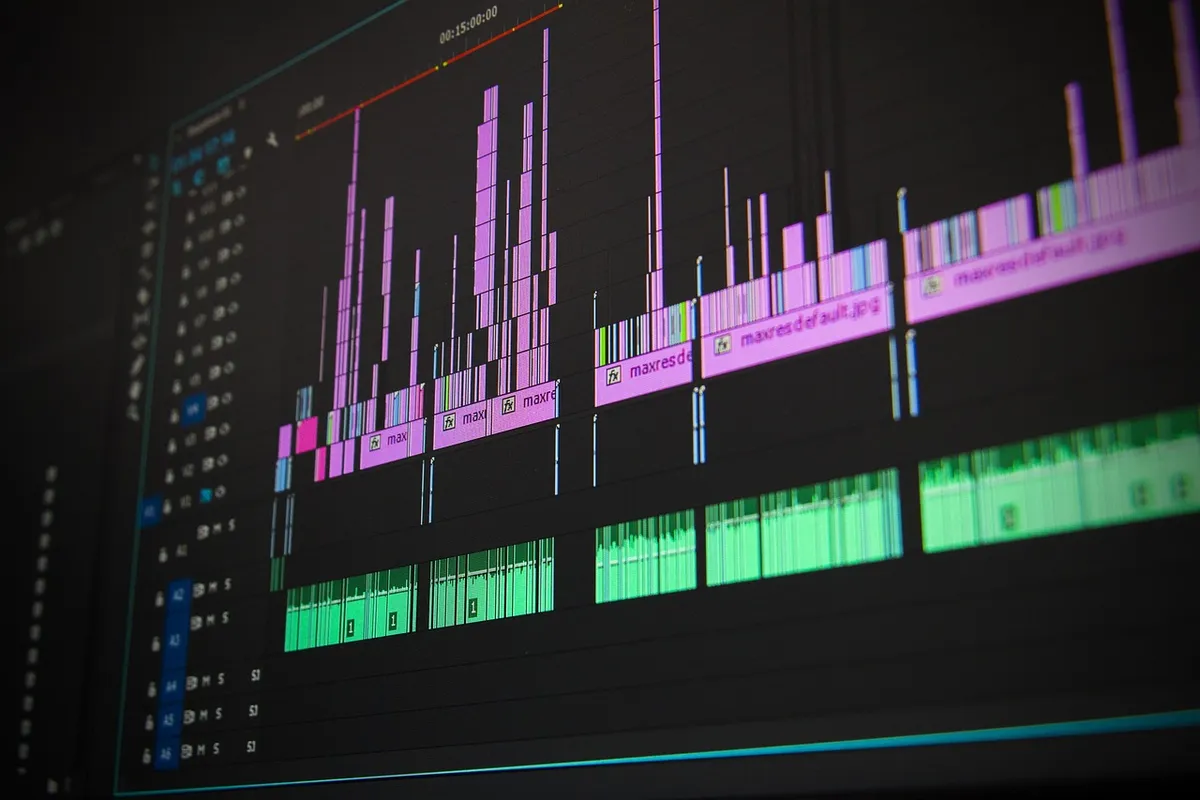
These techniques allow for zero-shot editing, where changes can be applied without retraining an entire model for every new clip. This flexibility is vital when handling multiple projects with different visual requirements.
In this sequence, the second step is the most time-consuming.
How can I boost video production speed?
A production team meets in a brightly lit studio, looking at a schedule that allows for much more content than before. Rapid turnaround times allow for a much higher volume of finished work.
To boost video production, teams must integrate automated tasks like color grading, object tracking, and shot selection into their daily routine. This automation handles the repetitive work, leaving the human editor to focus on storytelling.
Integrating these tools into a cohesive pipeline ensures that the transition from raw footage to finished product is smooth. It prevents the "bottleneck effect" where one slow process halts the entire department.
A well-oiled workflow uses these tools to handle the heavy lifting of data processing. This allows a single editor to manage much more footage than was possible with traditional manual methods.
What is a smart video editing workflow?
An editor organizes a complex folder of assets, knowing that the system will automatically recognize and categorize every clip. A structured approach prevents the chaos of unmanaged files.
A smart video editing workflow integrates AI directly into the organizational and processing stages of production. This means the software understands the content of the video, not just the file format.
Instead of manually scrubbing through hours of footage, an automated workflow can flag specific subjects or moments. This saves hours of searching and allows the editor to jump straight to the most important segments.
By automating the organization of metadata and visual elements, the workflow becomes much more predictable. This predictability is the key to meeting tight deadlines in a professional environment.
How can I use AI tools for faster editing?
An editor uses a tablet to gesture over a video, instantly removing a distracting background element. The tool reacts to the touch with immediate precision.
Using AI tools for faster editing involves selecting software that specializes in specific tasks like motion tracking or noise reduction. These specialized tools can often do in seconds what used to take hours of frame-by-frame work.
One way to use these tools is to apply them to the "rough cut" phase to establish pacing. Once the structure is set, more intensive visual refinements can be applied to the final version.
It is also helpful to use tools that offer high-speed inference. This ensures that when you make a change, the preview is updated almost instantly, allowing for much more intuitive editing.
What are the practical AI editing cases for professionals?
A professional editor compares two different versions of a scene, looking for the subtle nuances that make a shot perfect. Real-world application requires a balance of speed and precision.
Practical AI editing cases often involve tasks like automated masking or temporal consistency. These are scenarios where the software must understand how an object moves through a 3D space over time.
For example, when changing the style of a video, the software must ensure the changes look natural across every single frame. This requires sophisticated algorithms that can handle the complexity of motion without flickering.
I have found that using these tools during the initial setup phase provides the best results. It allows for a much faster transition from a concept to a visual reality.
Comparison of Processing Capabilities
The following table compares the performance of modern efficient models against traditional methods to show the potential for increased productivity.
| Feature | Traditional Attention-Based Methods | DFVEdit (Efficient Method) |
|---|---|---|
| Inference Speed | Standard | At least 20x faster |
| Memory Usage | High | 85% reduction |
How to implement an efficient workflow
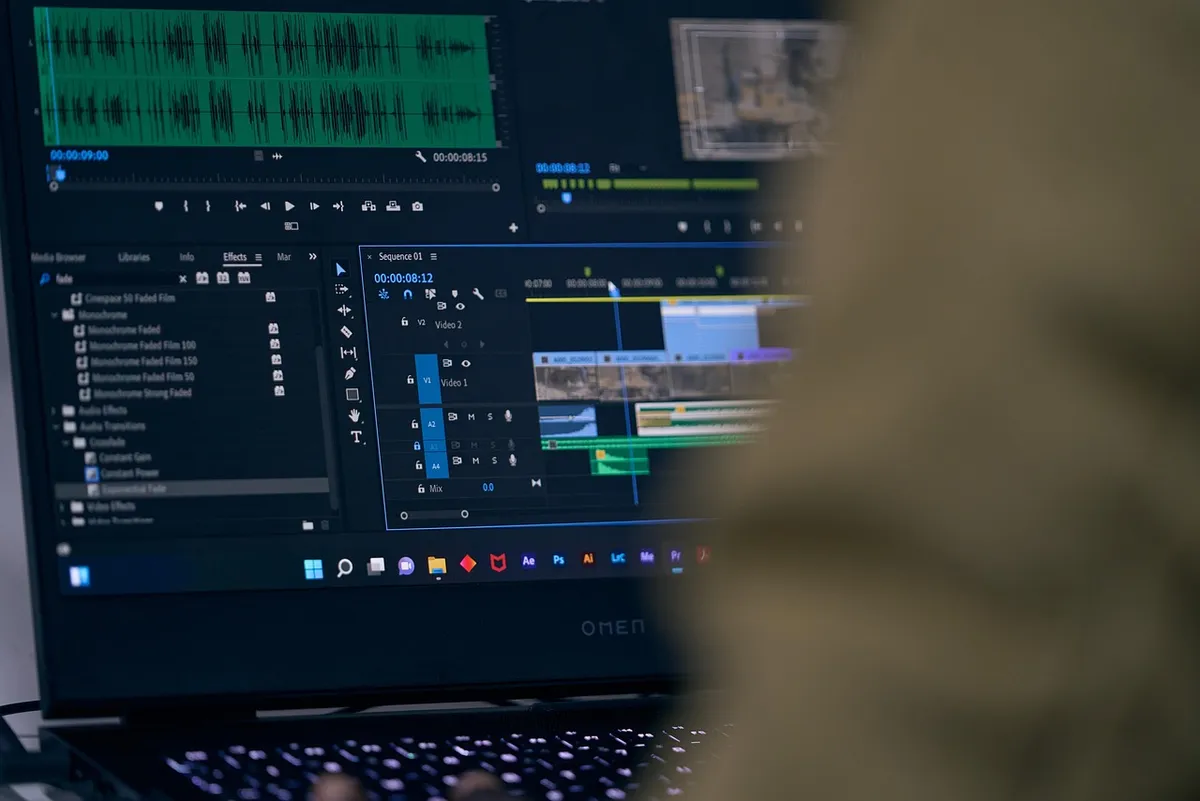
An editor sits down at the start of a shift, following a set of steps to prepare the project. A consistent routine is the foundation of professional output.
To apply an existing condition of high-speed editing to your own work, follow these steps:
- Select tools that offer high-speed inference to ensure real-time feedback. 2. Implement models that reduce memory usage to avoid hardware crashes. 3. Set up an automated organization system to manage large amounts of data. 4. Perform a final check to ensure that automated changes remain visually consistent across all frames.
A limitation of these advanced tools is that they may require specific hardware configurations to achieve the maximum advertised speed.
Related







Comments 0