AI video making tips: 5 steps to AI video making guide
"The transition from manual editing to automated generation requires a structured roadmap to ensure quality is not sacrificed for speed."
This guide provides a 5-step AI video making approach for creators looking to integrate automated tools into their existing workflows. By following a systematic sequence of prompt engineering, asset generation, and final refinement, you can significantly reduce production timelines.
Users should note that while automation accelerates the process, it cannot yet replace the nuance of human creative judgment in every scene.
* Prioritize structured prompt engineering * Generate modular visual assets * Sync audio and visual components * Perform quality control checks * Refine through iterative editing
How to master the 5 steps to AI video making?
At midnight in the dim studio, I tap my fingers against the desk while watching a vibrant video bloom across the screen.
A creator sits at a glowing monitor, typing descriptive commands into a text-to-video interface to see a landscape emerge. To master the 5 steps to AI video making, you must treat the process as a layered construction rather than a single click.
You begin with a script, move to visual generation, layer in audio, assemble the timeline, and finally polish the output.
Efficient AI video production guide users through these specific stages to prevent technical errors. First, define your narrative core to provide the AI with a stable foundation. Second, generate individual clips that match your stylistic requirements.
Third, utilize AI voiceovers or music generators to build the auditory layer. Fourth, combine these elements in a traditional non-linear editor. Fifth, adjust pacing and color to ensure a cohesive look.
I found that jumping straight to assembly without a detailed script led to mismatched visual styles across my clips. By following the rep 5 steps to AI video making, I ensured that every generated asset shared a consistent lighting profile and color palette.
- Define your core concept and script.
- Generate visual assets using text-to-video tools.
- Edit and synchronize audio elements.
What is an efficient AI video process?
A technician adjusts the settings on a high-end workstation, preparing to batch-process multiple video segments. An efficient AI video process relies on the ability to create modular components that can be rearranged without breaking the narrative flow.
This prevents the need to re-generate entire sequences when a single shot fails to meet expectations.
Using an AI video creation steps methodology allows for much faster troubleshooting. Instead of viewing the video as one long file, treat it as a collection of assets. This modularity is a core part of any fast AI video workflow.
When a specific clip lacks the necessary motion, you only replace that single segment rather than restarting the entire project.
| Phase | Focus | Goal |
|---|---|---|
| Pre-production | Scripting | Narrative structure |
| Generation | Asset Creation | Visual and audio clips |
An efficient process focuses on minimizing manual adjustments by using high-quality prompts and iterative refining.
Can I use an AI video making roadmap for professional work?
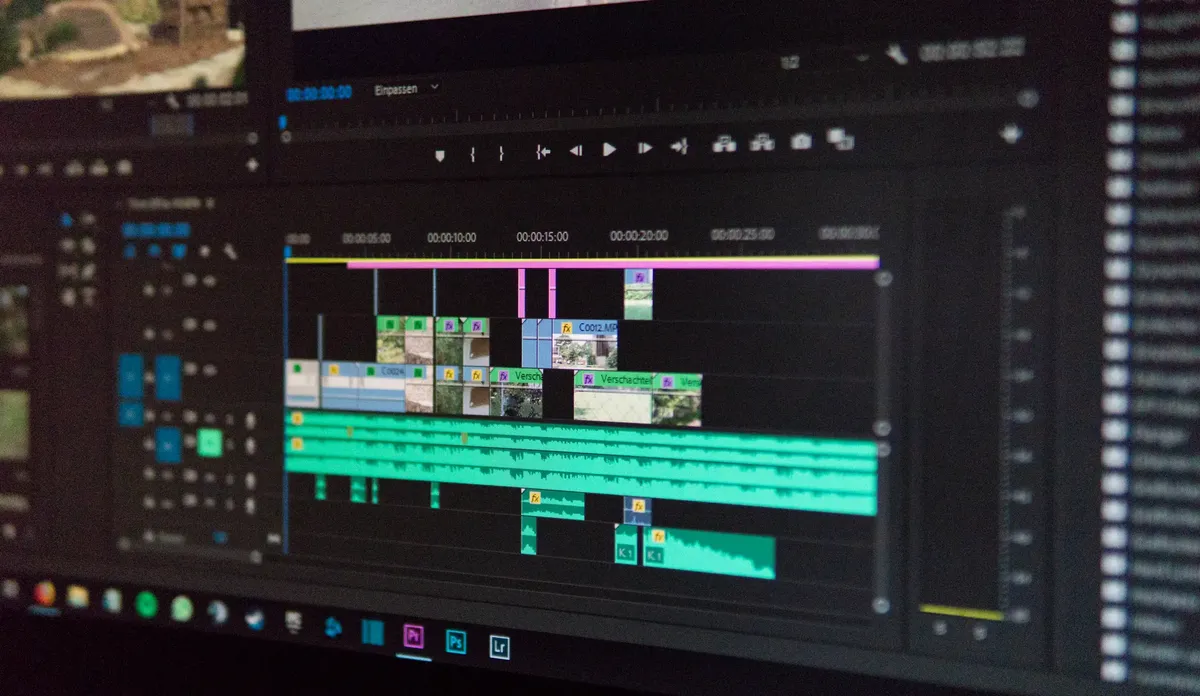
A director reviews a storyboard on a tablet, comparing the digital sketches to the AI-generated previews. Implementing an AI video making roadmap allows professionals to scale their output without significantly increasing their headcount.
This approach is particularly useful for social media content or rapid prototyping in advertising.
The roadmap functions by setting clear milestones for each stage of development. You must validate the visual consistency at each step to avoid massive rework later.
A successful roadmap ensures that the AI's speed is harnessed to handle repetitive tasks, such as generating B-roll or background textures, while the human creator focuses on high-level storytelling.
Yes, provided you integrate human oversight to ensure brand consistency and emotional resonance.
How to implement an AI video production guide?
An editor clicks through a series of menu options, selecting the best takes from a generated batch. To implement these steps effectively, you must follow a specific sequence to maintain control over the final product.
- Draft a highly descriptive prompt that includes lighting, camera angle, and subject movement. 2. Generate multiple variations of the same prompt to select the highest quality visual output. 3. Integrate the selected clips into a timeline and add AI-generated synchronized audio.
After completing these steps, perform a final check by reviewing the video at different playback speeds to ensure no visual artifacts or glitches are present.
Start by establishing a standardized prompt library to maintain visual continuity across different scenes.
How to master AI video efficiency?
A producer watches a progress bar move across the screen, waiting for a batch of clips to finish rendering. To master AI video efficiency, you must learn to balance the time spent prompting with the time spent editing.
Over-prompting can lead to "prompt fatigue," where you spend more time tweaking text than actually producing content.
The goal is to reach a point where the AI handles the heavy lifting of asset generation, leaving the human to handle the final assembly. Master AI video efficiency by creating a library of reusable prompts and styles.
This allows you to maintain a signature look across different video projects without reinventing the wheel every time.
Mastering efficiency requires automating repetitive tasks like subtitling and color grading through specialized AI plugins.
What are the limitations of this method?
A viewer notices a slight distortion in the movement of a character's hand during a fast-paced scene. While these tools are powerful, they are not without constraints.
According to the Entertainment Software Association, "Looking ahead, a child born in 1995, E3's inaugural year, will be 19 years old in 2014."
The primary limitation is that sorting and selecting the best outputs still requires significant human oversight to ensure the content meets professional standards. For some types of digital assets, the quality can decrease if the same prompt is reused too many times without variation.
Current limitations include occasional anatomical inconsistencies in motion and the difficulty of maintaining exact character likeness across multiple shots.
Related






Comments 0