AI video editing techniques guide for visual storytelling
"The future of digital storytelling lies in the seamless integration of machine intelligence and visual composition."
AI video editing techniques allow creators to automate complex visual tasks, specifically through advanced AI review video framing that optimizes subject placement. This guide explores how to implement these automated processes to enhance visual storytelling.
Key takeaways: * Mastering AI-driven framing improves the visual quality of review-style content. * Applying automated composition helps maintain consistency across multiple video clips. * Understanding the limits of AI-based spatial reasoning is essential for professional results.
How to use AI for video framing?
At noon in the dim studio, I squinted at the bright screen as the software adjusted the video frame around my moving face.
A photographer adjusts a tripod in a quiet studio, looking at a screen where a digital outline suggests the perfect placement for a person. This manual adjustment is the traditional way, but modern tools use intelligent algorithms to automate these decisions.
To effectively apply these tools, you must understand how the software interprets depth and subject importance. Using AI review video framing involves inputting your raw footage and allowing the software to identify the primary subject.
The software then adjusts the crop and scale to ensure the subject remains the focal point throughout the movement.
Effective AI-based review shots require a clear subject to track without interference from background clutter. When the software identifies a face or an object, it creates a virtual bounding box that guides the composition.
This process ensures that the visual weight remains balanced even when the camera moves.
I once sat in front of my monitor, testing how an automated crop reacted to a subject moving toward the lens. The software shifted the frame instantly, demonstrating how AI video composition tips can save hours of manual keyframing.
To leverage AI for framing, select a tool that supports intelligent cropping and subject tracking. Input your raw footage, define the desired aspect ratio, and allow the algorithm to identify the primary focal points to ensure the subject remains centered during movement.
What are the steps for AI video composition? AI video editing techniques
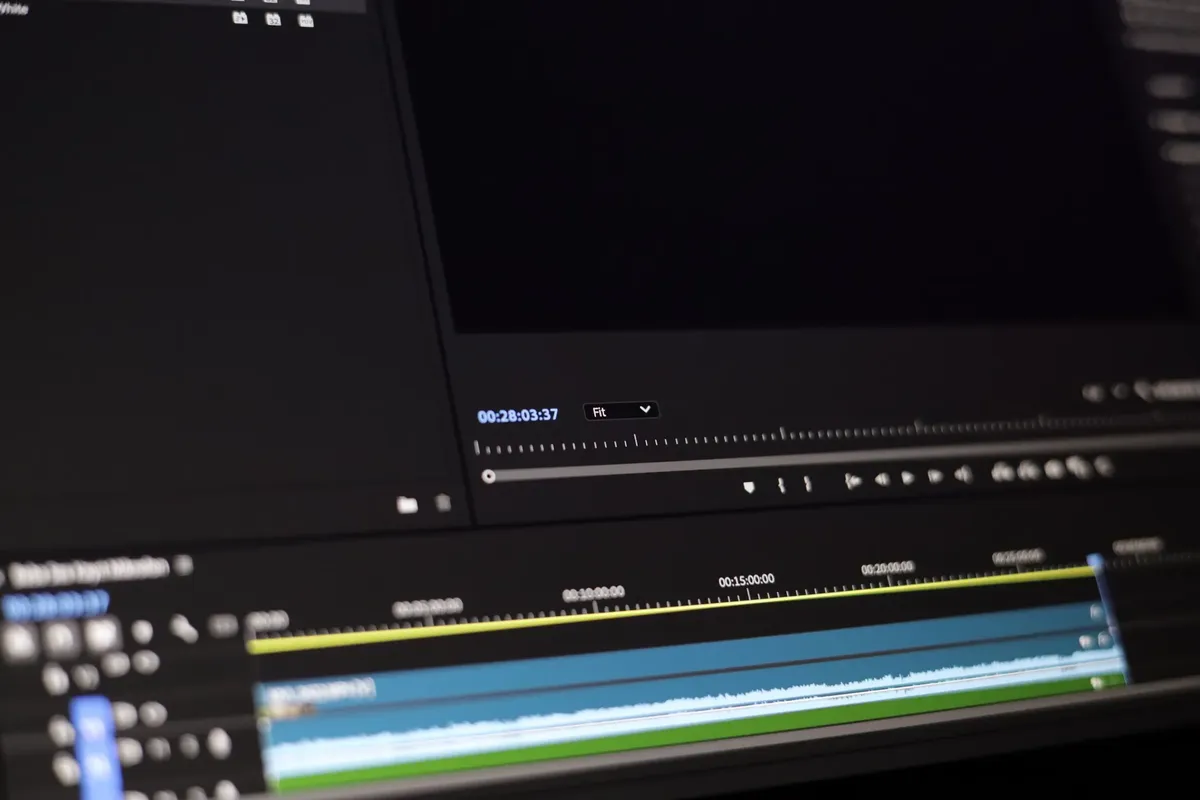
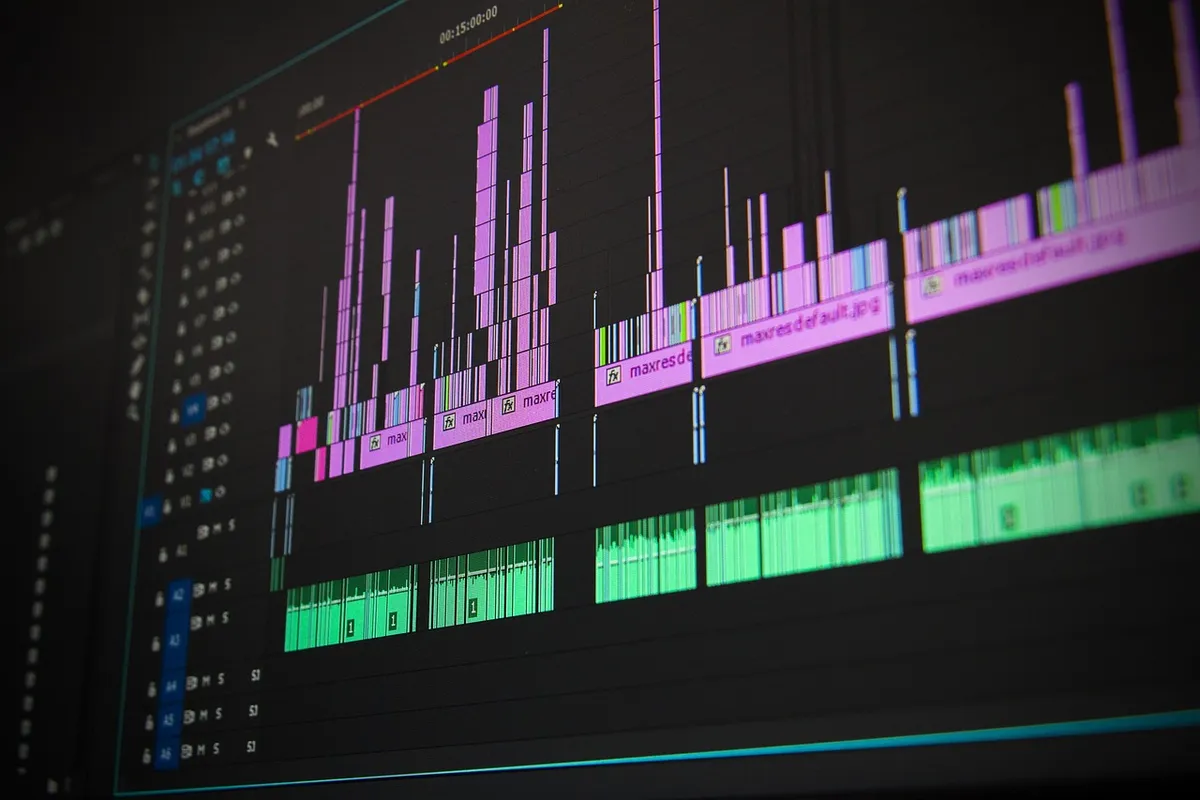
Late at night in the quiet office, I dragged the clip into the timeline and felt a sense of relief as the video composition software snapped the elements into place.
A creator sits at a bright desk, dragging a clip into a timeline where the software suggests a new layout. The interface shows various options for framing, ranging from wide shots to tight close-ups.
- Upload high-resolution footage to the software to provide enough pixel data for accurate subject recognition. 2. Select the desired aspect ratio and subject priority to set the baseline for the automated movement. 3. Review the generated keyframes to ensure the transitions between different shots look natural and not jarring.
A final check involves watching the sequence at full speed to confirm that the automated cuts do not create visual tension. This ensures the automated motion feels intentional rather than accidental.
| Technique | Primary Function |
|---|---|
| Automated Framing | Adjusts crops based on subject movement |
| Smart Composition | Balances visual weight in the frame |
I found that adjusting the sensitivity settings allowed me to control exactly how much the frame shifted during a movement. This manual override is necessary when the software misinterpreases background elements as the primary subject.
The limitation of these techniques is that they rely heavily on the quality of the initial footage and the clarity of the subject; if the lighting is too low or the subject is obscured, the automated framing may fail to maintain a professional look.

- Upload the source footage to the AI-powered editing platform.
- Set the target aspect ratio and motion parameters to guide the automated cropping.
- Review the generated compositions and fine-tune the framing to ensure optimal visual balance.
The subject here is AI video editing techniques.
The same subject is also called AI based review shots.
The same subject is also called AI footage structure guide.
This part also covers AI tools for review video shots.
Related
- AI review video trust guide: Tips for video integrity
- AI video review creation: Guide to aspect ratios
Why is subject clarity important for the future of digital storytelling?
Subject clarity is important because the software relies on identifying a clear face or object to create an accurate virtual bounding box. If the subject is obscured or lighting is too low, the automated framing may fail to maintain a professional look.
This condition requires the user to ensure the primary subject is easily recognizable by the algorithm to prevent errors in the automated crop and scale.
When comparing manual adjustments to automated processes, the primary difference lies in how the software interprets depth and subject importance. While a photographer manually adjusts a tripod, the software uses intelligent algorithms to automate these decisions.
This comparison shows that the software's ability to maintain visual weight depends on its successful identification of the subject.
One must exercise caution when the software misinterprets background elements as the primary subject. In such cases, a manual override of the sensitivity settings is necessary to regain control over the frame shifts.
This ensures that the automated motion remains intentional and that the subject remains the focal point throughout the movement.
Subject clarity ensures that the emotional core of a story is never lost to visual clutter. As viewers consume content across diverse screen sizes, maintaining a sharp focus on the subject allows the narrative to remain impactful and professional regardless of the viewing environment.






Comments 0