AI interview transition tips guide for smooth video flow
"The transition between two speakers can often feel like a jarring interruption rather than a seamless conversation."
Effective AI interview transition tips focus on maintaining visual and auditory continuity to ensure the viewer remains engaged with the subject matter.
By utilizing intelligent cutting and smart audio leveling, editors can bridge the gap between different camera angles or speaker turns without losing narrative momentum.

This guide covers essential techniques for smooth edits, key takeaways for natural flow, and the limitations of automated tools in complex storytelling.
How to use AI for video flow?
At midnight in the dim studio, I tap the desk and watch the software align the rhythmic breathing of an interview.
A creator sits at a desk, moving a cursor across a timeline where two different interview clips meet. The goal is to ensure that when the speaker changes, the viewer does not feel a sudden shift in energy or tone.
Using AI-driven tools to manage the cutting process helps in identifying the most natural points to switch between speakers. These tools analyze the cadence of speech to suggest cuts that align with natural breathing or pauses.
When implementing AI interview transition tips, the focus remains on the rhythmic timing of the dialogue to prevent abruptness. A well-timed cut preserves the emotional weight of the interview.
Which AI techniques will give me the best interviews? AI interview transition tips
Sitting in the quiet office, I slide the cursor to smooth the jagged audio of the interview until the sound feels velvety.
An editor adjusts a slider on a screen, watching as a waveform smooths out a sudden spike in volume. The interface suggests a way to blend the background noise of one room into the next.
Enhancing the visual and auditory quality requires more than just simple cuts; it requires an understanding of the environment. AI-driven noise reduction can stabilize the background atmosphere so that the transition between two different recording locations feels less noticeable.
This approach to AI video quality boost ensures that the change in setting does not distract from the interview content. Sophisicated algorithms can also match the color grading of different shots to maintain a consistent look.
Can I use AI to make better interview cuts?
An editor compares two clips side-by-side, looking for the exact moment a sentence ends to make a clean break. The software highlights potential jump cuts that might look unnatural to the human eye.
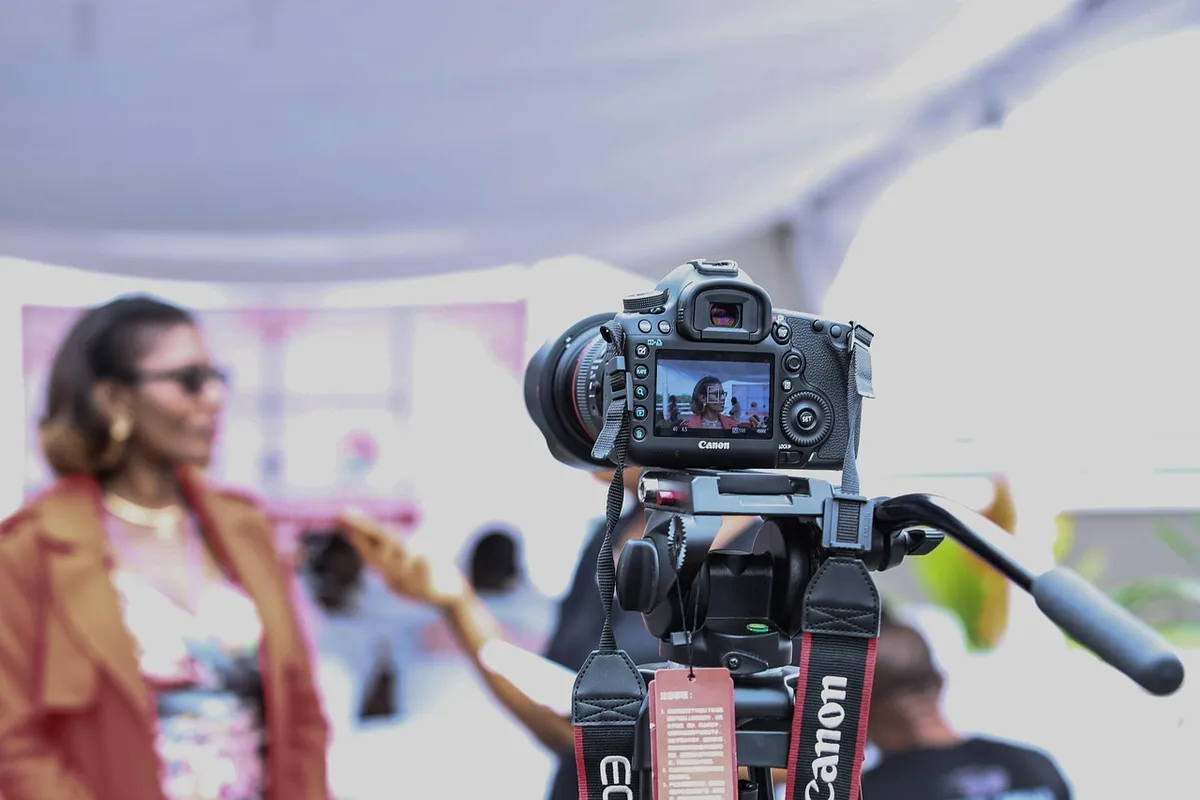
Achieving natural video transitions with AI involves managing the "jump cut" problem where a speaker's position shifts suddenly. AI tools can suggest "L-cuts" or "J-cuts," where the audio from the next clip starts before the video or vice versa, creating a more organic overlap.
This method of better interview cuts AI prevents the feeling of a robotic, mechanical switch. It allows the listener to follow the logic of the conversation without being distracted by the technicality of the edit.
How to manage AI video flow improvement?
A producer reviews a sequence of clips, checking if the pacing feels too fast or too slow for the interview subject. The software provides a visual map of the conversation's rhythm.
To master AI video flow improvement, editors must balance the technical suggestions of the software with human intuition. While the software provides the data, the editor provides the soul of the story.
It is helpful to use AI to handle the repetitive tasks, such as syncing audio or basic color matching, to free up time for creative decisions. This ensures that the technical work supports the storytelling rather than overshadowing it.
What is the process for smooth AI interview edits?
A technician follows a checklist on a tablet, moving through the stages of a digital edit. The workflow moves from raw footage to a polished final product.
To achieve professional results, follow these three steps:
- Analyze the speech patterns to identify natural pauses for cuts. 2. Apply intelligent audio crossfades to blend the two audio tracks. 3. Perform a final visual check to ensure the subject's eye line remains consistent.

I found that checking the eye-line consistency during the transition phase was the most critical step for maintaining viewer immersion.
| Feature | Traditional Manual Editing | AI-Assisted Editing |
|---|---|---|
| Transition Timing | Based on manual visual cues | Based on speech cadence analysis |
| Audio Blending | Manual volume keyframing | Automated intelligent crossfading |
- How to use AI for video flow?
- Which AI techniques will give me the best interviews?
- Can I use AI to make better interview cuts?
This part also covers AI techniques for interview quality.
Related






Comments 0