Visual Hook Tips for 10 second opening video tips
To capture attention in a ten-second opening video, you must prioritize a high-impact visual hook followed by a rapid transition to the core subject. This strategy relies on a specific scene order and precise prompt engineering to maintain viewer engagement through the initial seconds.
Key takeaways: * Prioritize a visual hook within the first two seconds. * Use a logical scene flow that transitions from curiosity to substance. * Structure prompts to define movement and lighting for immediate impact.
How can a specific scene order improve a 10 second opening video?
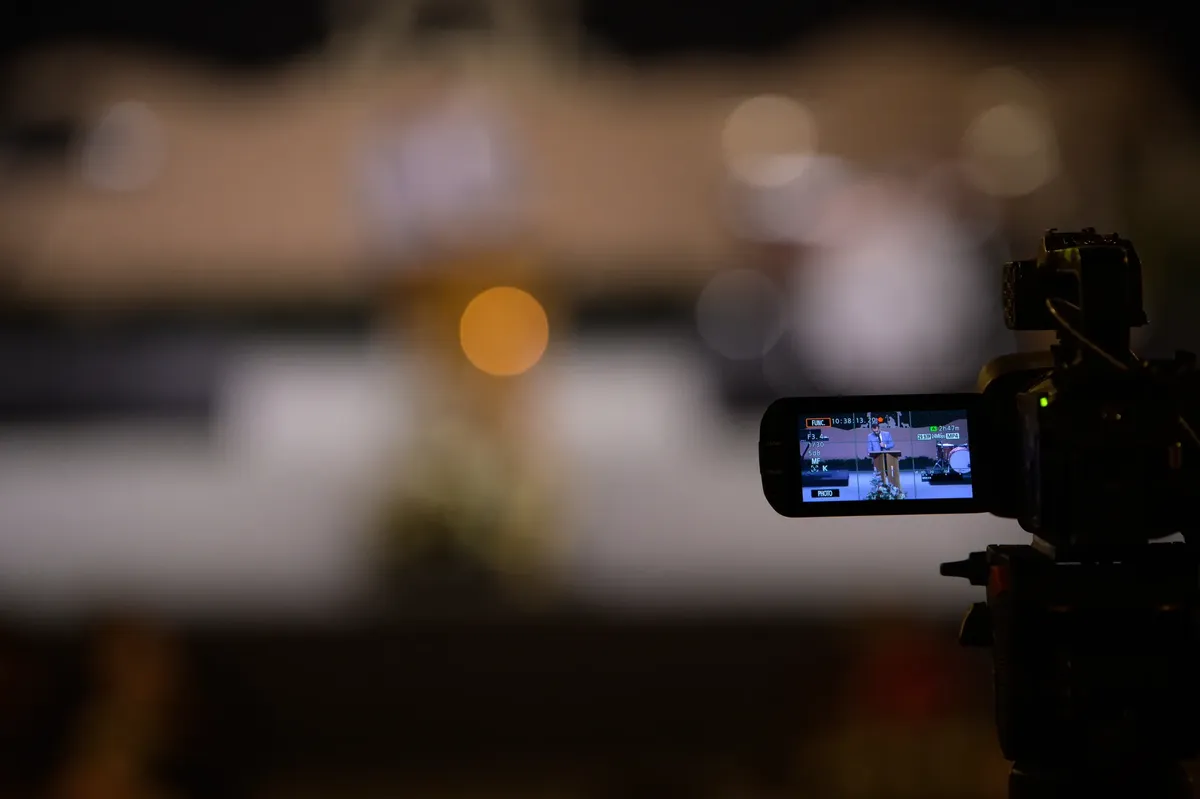
A hand reaches toward a bright screen, adjusting the focus of a camera lens. To master the 10 second opening video tips, creators should start with a "visual disruptor"—an unexpected movement or a striking color shift—within the first three seconds.
This immediate change breaks the viewer's scrolling pattern and forces a momentary pause.
The second phase of the sequence should introduce the central subject or the "problem" the video addresses. By following a hook with a context-setting shot, you establish why the viewer should stay for the remaining seven seconds.
A sudden transition from a wide shot to a close-up can create a sense of intimacy or urgency that keeps the eyes locked on the screen.
Effective short video scene order relies on the tension between the hook and the resolution. If the hook is too slow, the viewer swipes away before the subject is even revealed. If the transition is too jarring, the viewer may feel disoriented and lose interest.
Balancing these elements ensures the momentum carries through the entire brief duration.
- Establish a visual hook in the first two seconds.
- Introduce the core subject matter immediately.
- Create a visual setup that leads into the main content.
What is the best way to handle a quick video prompt guide?

At the dim desk, I tap the keyboard to refine the lighting so the visual atmosphere feels warm against my skin.
A designer sits at a desk, typing rhythmic commands into a glowing terminal to generate a cinematic landscape. When developing a quick video prompt guide, you must include sensory details like lighting, texture, and camera movement to guide the AI or editor.
Instead of vague descriptions, use specific terms such as "cinematic lighting," "macro close-up," or "dynamic motion blur" to define the visual energy.
The prompt should act as a blueprint for the visual atmosphere. For a ten-second clip, focusing on a single, strong atmospheric instruction prevents the output from becoming cluttered or losing focus.
A well-crafted prompt ensures that the visual quality remains consistent even when the scene changes rapidly.
Using an attention grabbing opening requires the prompt to specify the "initial state" of the scene. You might prompt for a "static shot that breaks into chaotic motion" to simulate a sudden burst of energy.
This technique allows the creator to control the pacing of the video through text-based instructions before any editing begins.
In this sequence, the first step is the most critical.
How do you master making impactful video intros with prompt engineering?
A cursor hovers over a "generate" button, waiting for the first frame of a new digital world to appear. To succeed in making impactful video intros, you must learn to layer your prompts from broad concepts to granular details.
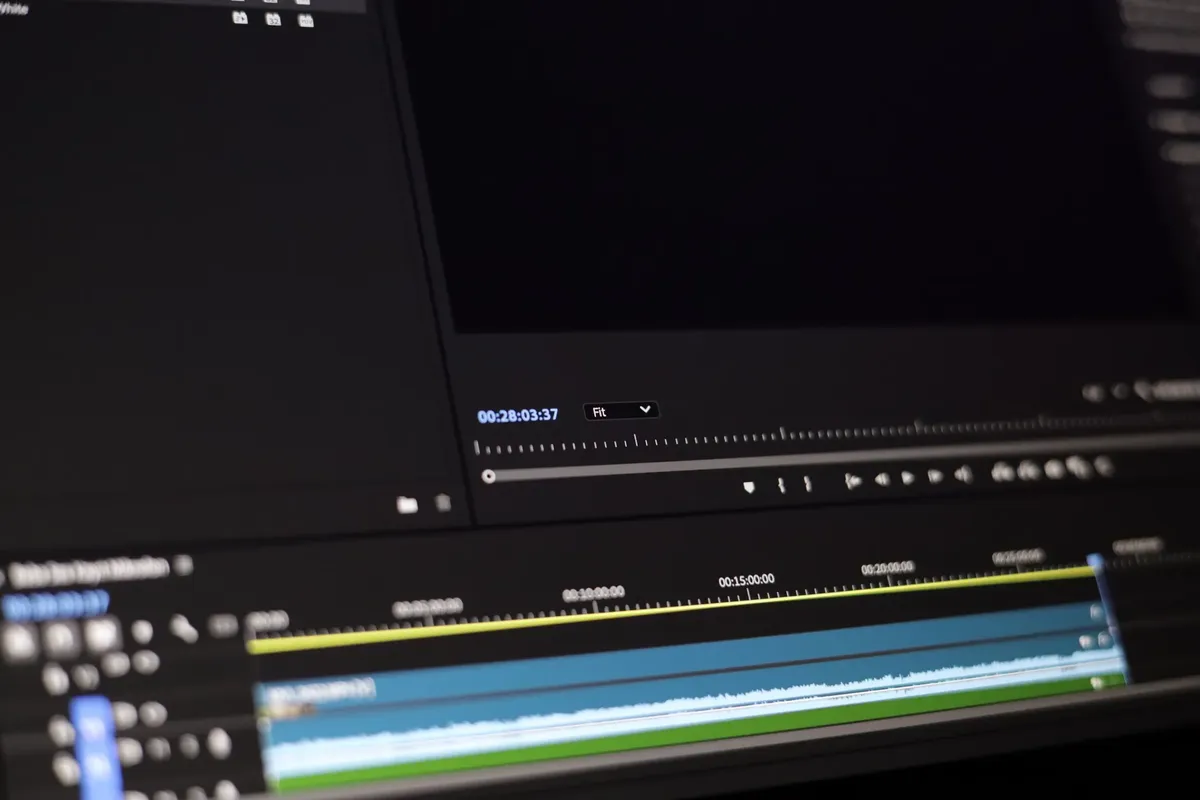
A successful prompt often follows a structure: subject, action, environment, and cinematic style.
- Define the primary subject and its immediate action to establish the hook. 2. Specify the lighting and color palette to set the emotional tone. 3. Add camera movement instructions, such as "fast zoom" or "panning shot," to drive the momentum.
After setting these layers, perform a final check to ensure the prompt does not contain conflicting instructions. For example, asking for "extreme slow motion" while also requesting "high-speed action" will result in visual incoherence.
I find that testing these prompts against different aspect ratios is essential to see how the composition holds up on mobile screens.
A limitation of this approach is that highly complex prompts may lead to unpredictable visual artifacts during rapid transitions.
How to write video prompts for seamless transitions?
A finger slides across a tablet, dragging a clip from one timeline position to another. When you learn how to write video prompts, you are actually learning how to bridge the gap between separate shots.
To create a seamless flow, the end of one prompt should visually or logically lead into the start of the next.
For instance, if the first prompt ends with a "camera moving toward a bright light," the second prompt should begin with a "transition from white light to a new environment." This creates a "match cut" effect that feels natural to the viewer.
This continuity is vital in short-form content where every millisecond counts toward retention.
| Element | Hook Phase (0-3s) | Content Phase (4-10s) |
|---|---|---|
| Focus | Visual Disruption | Subject Introduction |
| Motion | High Energy/Sudden | Purposeful/Steady |
The comparison shows that the energy levels must shift to provide a sense of progression. If the energy remains at a peak for the entire ten seconds, the viewer may experience sensory fatigue.
Related
- Subtitle placement for video: Guide to screen space
- Product demo screen layout tips guide for short videos
How does the balance between hook and resolution affect viewer attention?
The strategic balance between a high-impact hook and a clear transition to the subject is crucial for the video to capture attention. If the initial hook lacks sufficient intensity, the viewer may not remain engaged long enough to perceive the subsequent substance.
This condition dictates that the momentum established by the visual disruptor must carry through the content phase without diminishing.
Maintaining this momentum requires a deliberate shift in the prompt structure. While the hook phase demands high energy and sudden movement, the content phase needs purposeful, steady motion. This comparison ensures that the viewer’s eyes are not overwhelmed by constant, peak-level stimulation.
The procedure of shifting energy levels prevents the viewer from experiencing sensory fatigue over the brief duration.
When crafting prompts for seamless transitions, the continuity procedure helps maintain this balance. By ensuring the end of one shot logically leads to the start of the next, the video avoids jarring shifts that could break the viewer’s focus.
This careful bridging of shots allows the intended narrative progression to feel natural to the viewer. The goal of this careful pacing is to ensure that the initial capture of attention translates into sustained viewing engagement throughout the entire ten seconds.
The successful execution of this sequence relies on the designer’s ability to control the pacing through text-based instructions before any editing begins.
Wikipedia: Video game industry








Comments 0