AI video tech limits: Guide to aspect ratios
"The future of visual media is shifting faster than the hardware can often keep up with."
The transition from traditional formats to digital dominance creates significant technical hurdles for creators. This article examines the constraints of current video standards and explores how shifting aspect ratios and data compression methods define the modern landscape.
Key takeaways: * Understanding historical aspect ratios provides context for modern display limitations. * Data compression techniques like chroma subsampling significantly reduce file sizes. * Shifting viewing habits, such as vertical video, require new technical approaches.
How do historical aspect ratios affect modern video?
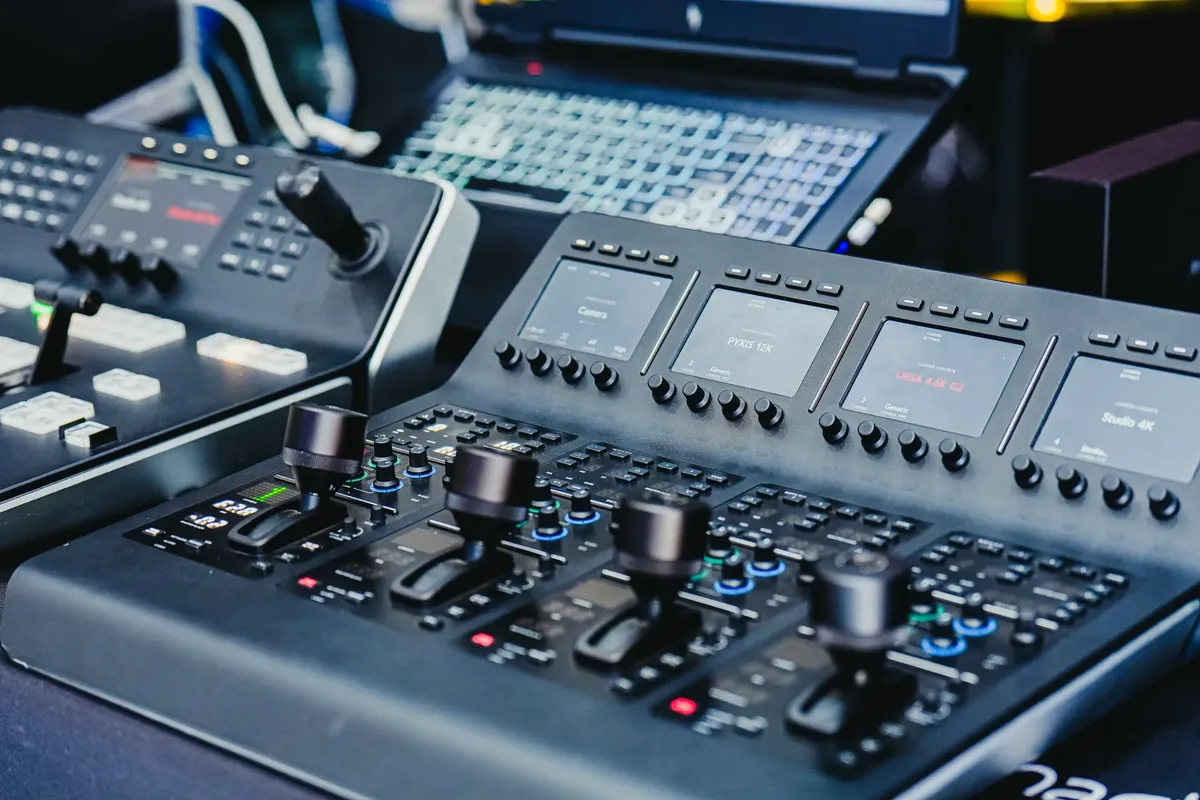
A technician adjusts a vintage projector, peering through the glass at a flickering frame. The Academy ratio, which represents a full 35mm film frame including its soundtrack, is 1.375:1.
This specific measurement serves as a foundational reference for understanding how much visual information can be packed into a single frame.
Understanding these proportions is essential when dealing with AI video production limits. While modern screens vary wildly, the mathematical relationship between width and height remains a constant constraint in digital rendering.
If a tool cannot handle non-standard ratios, the visual integrity of the output suffers.
The history of film provides a baseline for modern screen geometry. For instance, the 1.375:1 ratio was a standard for much of the early cinematic era.
When developers work on AI video creation flaws, they often struggle to translate these legacy proportions into modern, wide-format digital environments without losing essential composition.
What role does data compression play in video quality? AI video tech limits
An engineer monitors a server rack while a data stream flows through a high-speed cable. Compression is necessary to make high-resolution video portable, but it involves trade-offs in color accuracy. For example, using 2-pixel blocks in a 4:2:2 setup results in a 50% reduction in chrominance data.
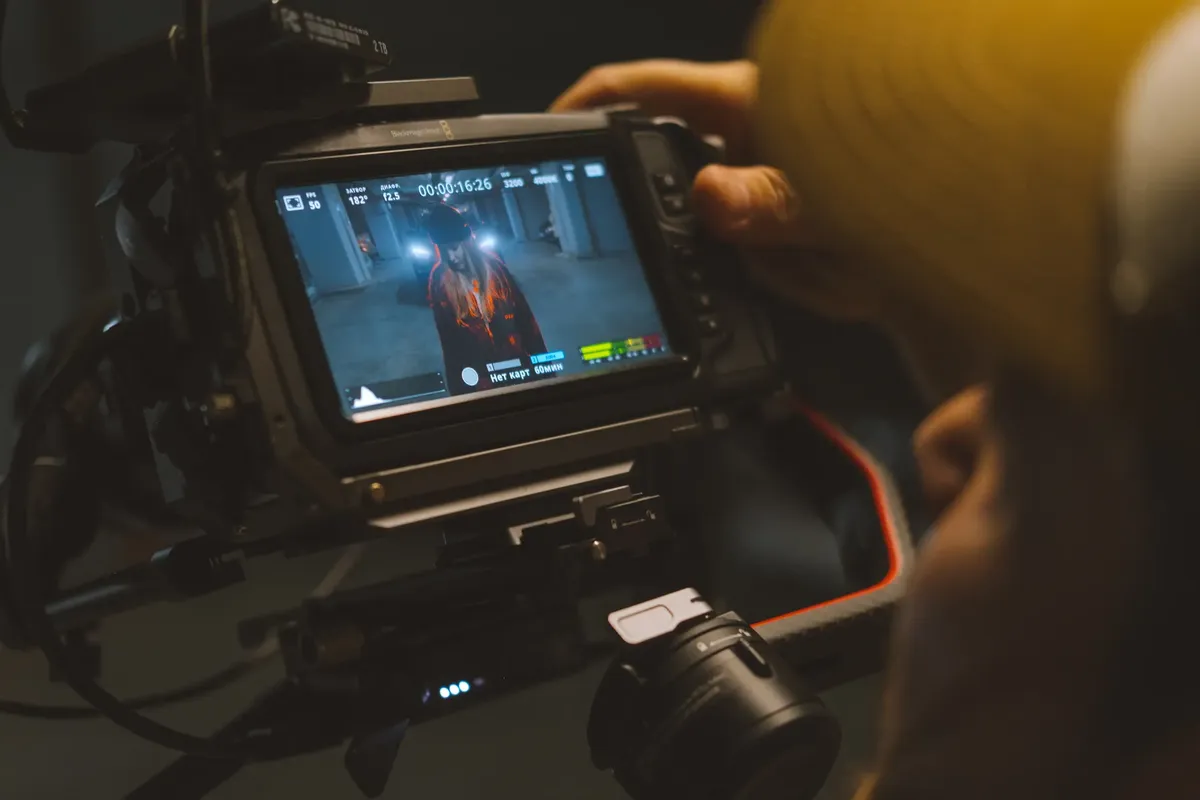
Using 4-pixel blocks for 4:2:0 sampling can result in a 75% reduction in chrominance data. These methods allow for smoother streaming but can lead to artifacts in color-sensitive scenes.
Addressing these Video AI technical barriers requires a deep understanding of how much data can be discarded before the image breaks down.
When an algorithm attempts to reconstruct a scene, it must account for these missing color details. If the compression is too aggressive, the AI may struggle to interpret fine textures or skin tones.
Managing these data reductions is a central part of overcoming AI video quality issues in professional workflows.
How does the shift to vertical video change production?
A smartphone user swipes through a feed, the screen held vertically in one hand. The landscape of viewing has changed drastically over the last decade.
In the 2015 Internet Trends Report, Mary Meeker, a partner at Kleiner Perkins Caufield & Byers, noted that vertical-video viewing grew from 5% in 2010 to 29% in 2015.
This shift creates a unique challenge for traditional cinematography. Most professional gear is designed for horizontal capture, meaning vertical content often requires significant cropping or re-framing.
This transition represents one of the most significant Beyond AI video limitations, as software must learn to compose shots for verticality.
The demographic shift toward mobile-first consumption dictates how content is made. As viewing habits move toward verticality, the industry must develop new ways to compose scenes that feel natural in a tall frame.
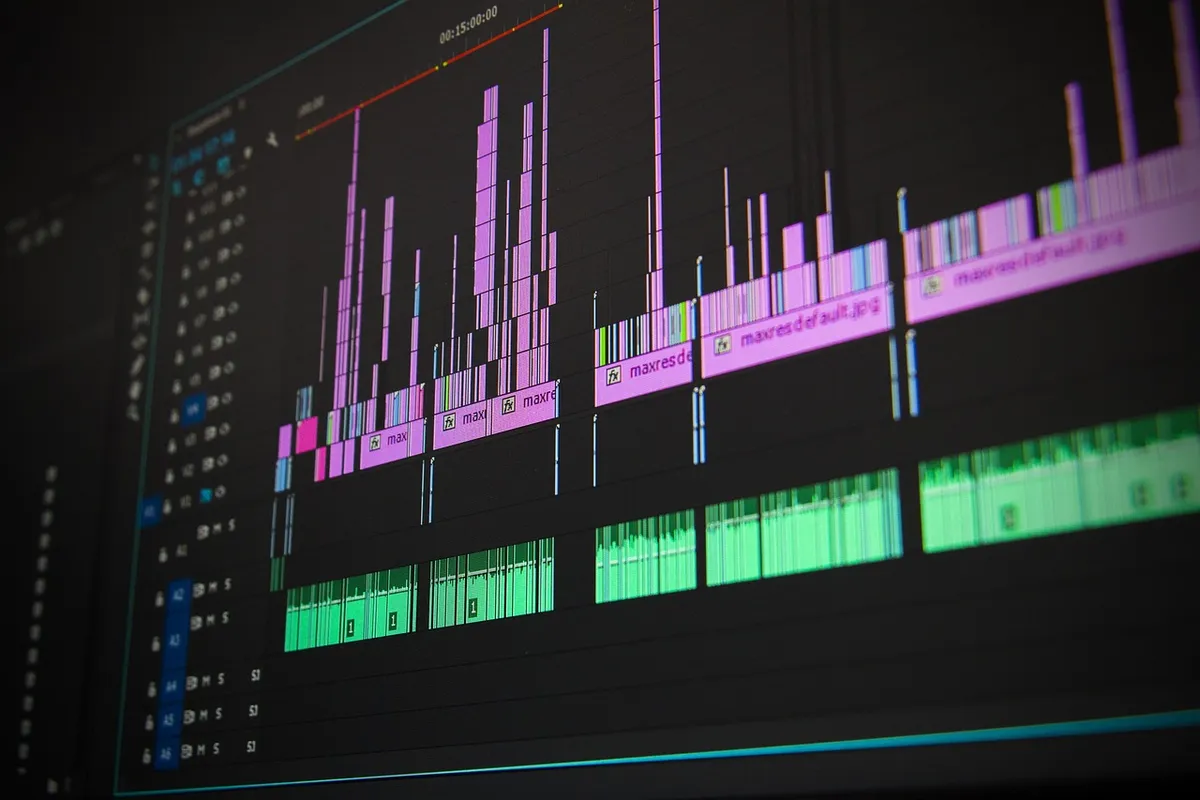
This requires moving beyond the legacy of wide-screen thinking to embrace a more portrait-oriented aesthetic.
What are the alternatives to standard projection?
A technician aligns two projectors to create a single, unified image on a large screen. Special techniques allow for depth and immersion without massive single-frame resolutions.
Both channels may be viewed simultaneously by using light-polarizing filters 90 degrees off-axis from each other on two video projectors.
This method provides an alternative to massive single-source displays. By splitting the visual information into two channels, creators can achieve a sense of depth. This type of advanced display technology is part of the conversation regarding New video tech alternatives for immersive environments.
| Method | Technical Application |
|---|---|
| 4:2:2 Subsampling | 50% reduction in chrominance |
| 4:2:0 Subsampling | 75% reduction in chrominance |
I observed how these different data reduction levels changed the sharpness of the image during a test. Setting AI video standards involves balancing these specific compression levels against the need for visual clarity.
How can we manage resource-intensive video tasks?
A studio manager looks at the rising electricity costs on a digital dashboard. High-end video production is energy-intensive, necessitating efficient hardware and smart workflows.
According to the Entertainment Software Association, "Looking ahead, a child born in 1995, E3's inaugural year, will be 19 years old in 2014."
While not directly related to pixels, the energy used in hardware production and processing is a growing concern for sustainable tech.

Recycling aluminium uses only 5% of the energy of virgin production. This efficiency in hardware manufacturing supports the longevity of the equipment used in digital studios.
As we push for higher resolutions, the energy cost of the hardware becomes a critical factor in the sustainability of the industry.
A limitation of current high-end hardware is that it often requires massive energy inputs to process complex 3D video renders.
- How do historical aspect ratios affect modern video?
- What role does data compression play in video quality?
- How does the shift to vertical video change production?
The subject here is AI video tech limits.
Beyond AI video limitations
Related
- AI video production trends: tips for prompt-based directing
- AI video creation benefits: Guide to data management tips
How do compression methods impact the future of visual fidelity?
Compression methods directly influence the perceived quality of the visual media. When data is discarded through techniques like chroma subsampling, the resulting visual fidelity is inherently compromised. A cautious approach to data reduction is necessary to maintain the integrity of the visual information during transmission or storage.
- The 50% reduction in chrominance data, achieved with 4:2:2 sampling, offers a moderate trade-off between file size and color accuracy. 2. Conversely, the more aggressive 75% reduction from 4:2:0 sampling allows for smaller files but increases the risk of visible artifacts in the visual output.
This comparison shows that the choice of compression level dictates the practical limits of the future of visual media in terms of data efficiency versus visual perfection.





Comments 0